
Why AI underwriting SME loans matters in 2026
Traditional SME loan underwriting has long been a bottleneck for small business growth. Manual reviews of tax returns, bank statements, and credit reports often stretched decision timelines to weeks, forcing entrepreneurs to delay critical purchases or miss seasonal opportunities. In 2026, artificial intelligence has dismantled this friction, shifting the focus from static historical data to dynamic, real-time financial health.
AI-driven models analyze thousands of data points—including cash flow patterns, transaction history, and even non-traditional indicators—to assess risk with greater accuracy and speed. This shift is not merely about automation; it is about access. By reducing the time from application to approval from days to minutes, AI underwriting levels the playing field for SMEs that may not have extensive credit histories but demonstrate strong operational viability.
The speed advantage is quantifiable. Mortgage lenders and business finance platforms utilizing these AI-driven models have reported processing speeds increasing by up to 90% compared to traditional methods. For an SME owner, this means capital availability is no longer a guessing game but a predictable, rapid utility, allowing business owners to focus on growth rather than paperwork.
How AI platforms assess SME risk today
Modern AI underwriting has moved beyond simple credit score checks to analyze a broader set of signals. Lenders now rely on machine learning models that process alternative data sources, such as bank transaction histories and cash flow patterns, to build a more accurate picture of an SME’s financial health. This approach allows non-bank lenders to evaluate companies that lack traditional financial records, opening up capital access for a wider range of businesses.
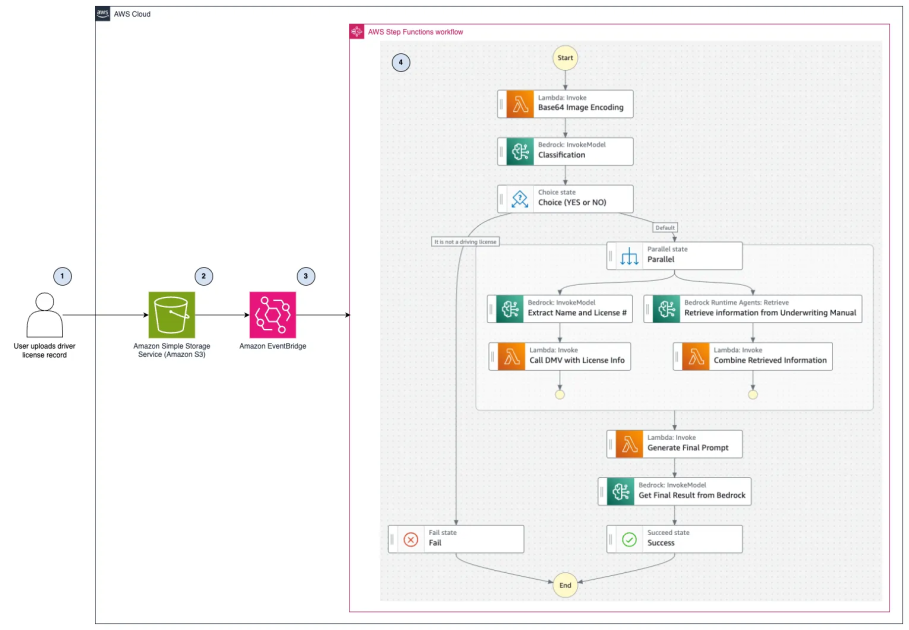
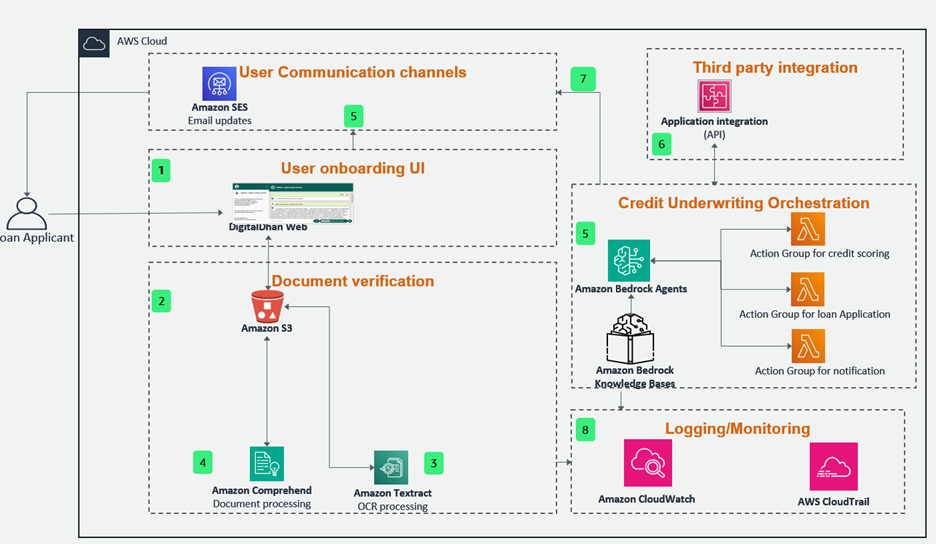
The process begins with automated document verification. Instead of manual review, AI tools ingest invoices, tax returns, and bank statements, extracting key data points instantly. This automation reduces processing time from weeks to minutes, allowing lenders to make faster decisions while minimizing human error. The system cross-references this data against internal rules and external databases to flag potential risks early in the application journey.
At the core of this assessment is the machine learning model. These algorithms are trained on vast datasets of historical loan performance, identifying subtle patterns that correlate with repayment behavior. By continuously learning from new outcomes, the models refine their risk predictions over time. This dynamic assessment provides lenders with a more nuanced view of borrower reliability than static scoring models ever could.

As an Amazon Associate, we may earn from qualifying purchases.
This shift toward data-driven underwriting is not just about speed; it’s about precision. By leveraging these technologies, lenders can offer more competitive terms to lower-risk borrowers while managing their exposure to default. For SME owners, understanding these mechanics can help them prepare better documentation and present their financial data in a way that aligns with what these AI systems value.
Top AI underwriting platforms for SMEs
The market for AI underwriting has matured significantly by 2026, shifting from experimental tools to robust infrastructure that handles the nuances of small business lending. For lenders, the goal is no longer just speed, but accuracy in assessing non-traditional data points like cash flow volatility and digital footprint. For SME owners, these platforms mean faster approvals with less manual paperwork. Below, we compare the leading solutions that dominate the current landscape.
Aloan
Aloan has carved out a strong niche by focusing specifically on the needs of community banks and credit unions. Its platform excels in integrating with existing core banking systems, allowing institutions to deploy AI underwriting without a complete technology overhaul. Aloan’s strength lies in its specialized support for SBA loans, using machine learning to predict default risk with higher precision than traditional FICO-based models. It is particularly effective for lenders who want to expand their small business portfolio while maintaining strict regulatory compliance.
nCino
nCino remains a heavyweight in the banking software space, offering a comprehensive banking operating system that includes sophisticated AI-driven underwriting modules. Its strength is scalability and integration; it connects data from CRM, loan origination, and treasury management into a single view. For larger regional banks or those with complex SME portfolios, nCino provides the infrastructure to handle high volumes of applications while using AI to flag anomalies and potential fraud in real-time. It is less of a standalone underwriting tool and more of an ecosystem that optimizes the entire lending journey.
Abrigo
Abrigo brings deep expertise in risk analytics, particularly strong in emerging markets and diverse SME sectors. Its AI models are designed to handle alternative data sources effectively, making it a strong choice for lenders operating in regions where traditional credit bureau data is thin. Abrigo’s platform offers customizable risk engines that allow lenders to tailor underwriting criteria to specific industry verticals, such as retail or hospitality. This flexibility makes it a valuable tool for institutions looking to serve underserved small business segments.
Scienaptic
Scienaptic AI focuses on predictive analytics and portfolio management, offering tools that help lenders not just approve loans, but manage the entire lifecycle of risk. Its platform uses advanced machine learning to continuously learn from new data, improving decision accuracy over time. Scienaptic is particularly noted for its ability to integrate with various core banking platforms and its strong performance in detecting sophisticated fraud patterns. It is an ideal choice for lenders who prioritize data-driven portfolio health and want to reduce non-performing assets.
Comparison of Key Features
To help you decide which platform aligns with your institution's needs, here is a quick comparison of the primary features and capabilities of these leading solutions.
Choosing the Right Fit
Selecting an AI underwriting platform depends largely on your institution's size, existing technology stack, and target SME market. Community banks and credit unions often benefit from specialized, SBA-focused tools like Aloan, which offer easier integration and lower implementation costs. Larger regional banks may prefer the comprehensive ecosystem of nCino or the advanced risk analytics of Scienaptic. Regardless of the platform, the key is to ensure the AI models are transparent and explainable, allowing underwriters to understand the "why" behind every decision.


As an Amazon Associate, we may earn from qualifying purchases.
Balancing Speed and Accuracy in Automated Lending
The primary advantage of AI-driven underwriting for SME loans is the dramatic reduction in approval time. Traditional bank processes often require weeks of manual review, whereas modern AI marketplaces can deliver competitive offers within 48 hours. This speed is particularly valuable for business owners who need immediate capital to seize opportunities or manage cash flow gaps.
However, rapid approval does not mean skipping due diligence. AI systems analyze vast datasets—including bank statements, transaction history, and alternative data points—to assess risk with precision. The goal is not just speed, but accuracy. A loan that is approved too quickly without proper risk assessment can lead to unfavorable terms or default, which damages both the borrower’s credit and the lender’s portfolio.
For SME owners, the key is to ensure documentation is complete and accurate before applying. Incomplete information can delay the automated process, negating the speed benefits. Lenders, in turn, must balance algorithmic efficiency with human oversight to catch nuances that pure data models might miss.
Prepare your SME for AI-driven credit checks
AI underwriting engines rely heavily on the quality and structure of your digital financial footprint. Unlike traditional manual reviews, these algorithms process vast datasets in seconds, making clean, accessible data the primary determinant of approval speed and credit terms. To secure favorable rates and faster processing, SMEs must transition from static record-keeping to dynamic, real-time data sharing.
Start by integrating your accounting software with your primary banking channels. Platforms like QuickBooks or Xero provide the standardized transaction histories that AI models prefer over scattered PDF statements. This integration allows lenders to verify cash flow trends instantly, reducing the manual verification steps that often delay funding. Ensure your revenue streams are clearly categorized to prevent algorithmic confusion during automated risk assessments.
Next, digitize and centralize your operational records. AI underwriters analyze non-financial signals to predict stability, including tax filings, utility payment histories, and customer contract volumes. Keeping these documents in a cloud-based repository with consistent naming conventions helps lenders pull accurate snapshots of your business health. A well-organized digital ledger signals operational maturity, which can lower perceived risk.
Finally, audit your public digital footprint. Lenders increasingly cross-reference online reviews, social media activity, and domain authority to assess brand reputation and market position. In 2026, a strong, consistent online presence acts as a trust signal that complements your financials. Regularly update your business profiles on major platforms and ensure your website reflects current contact information and service offerings to maintain a unified, verifiable identity.

Connect your primary accounting software (e.g., QuickBooks, Xero) directly to your business bank accounts. This creates a real-time, audit-ready stream of transaction history that AI models can analyze for cash flow stability without manual document requests.

Store tax returns, utility bills, and major contracts in a single, searchable cloud folder. AI underwriters scan for consistent payment histories and contractual obligations; having these easily accessible reduces processing time and prevents data gaps that could trigger automated rejections.
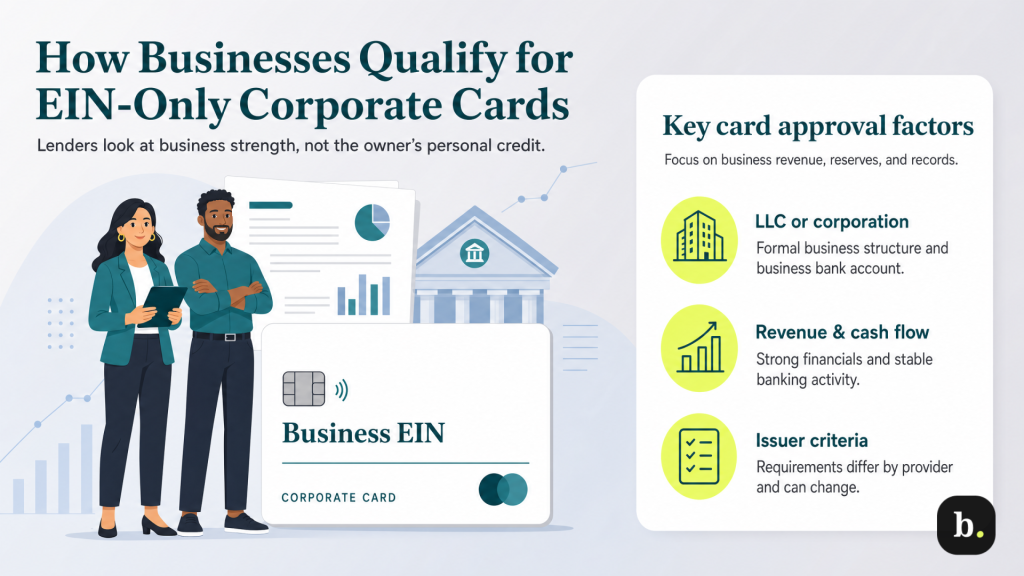
Review and update your website, social media profiles, and third-party business directories. Consistent NAP (Name, Address, Phone) data and positive customer reviews serve as non-financial trust signals that help AI models better understand your market position and reliability.
Frequently asked questions about AI underwriting
How fast can AI approve an SME loan? AI-driven underwriting models significantly reduce processing times compared to traditional methods. Lenders using automated systems often report approval decisions within 48 hours, whereas conventional manual underwriting can take several days or weeks. This speed is critical for small business owners who need capital quickly to manage cash flow or seize opportunities.
Is AI underwriting secure and compliant? Yes, modern AI underwriting platforms are built with strict data privacy and regulatory compliance in mind. They use advanced encryption and adhere to financial regulations like GDPR and CCPA. However, lenders must ensure their chosen platform maintains up-to-date security protocols to protect sensitive financial data.
Will AI replace human underwriters? AI augments rather than replaces human judgment. While algorithms handle data analysis and risk scoring efficiently, human underwriters still review complex cases, interpret nuanced borrower circumstances, and make final lending decisions. This hybrid approach combines speed with the empathy and expertise of experienced professionals.
Can AI underwrite loans without traditional credit scores? Yes, many AI platforms assess alternative data sources, such as bank transaction history, cash flow patterns, and even social media presence, to evaluate creditworthiness. This is particularly valuable for SMEs with thin credit files or those in emerging markets where standard financial records may be limited.
How does AI improve loan approval rates? By analyzing a broader range of data points, AI can identify creditworthy borrowers that traditional models might overlook. This reduces false negatives and increases approval rates for qualified SMEs while simultaneously lowering default risks through more accurate risk assessment.
No comments yet. Be the first to share your thoughts!