
The 2026 SME credit landscape
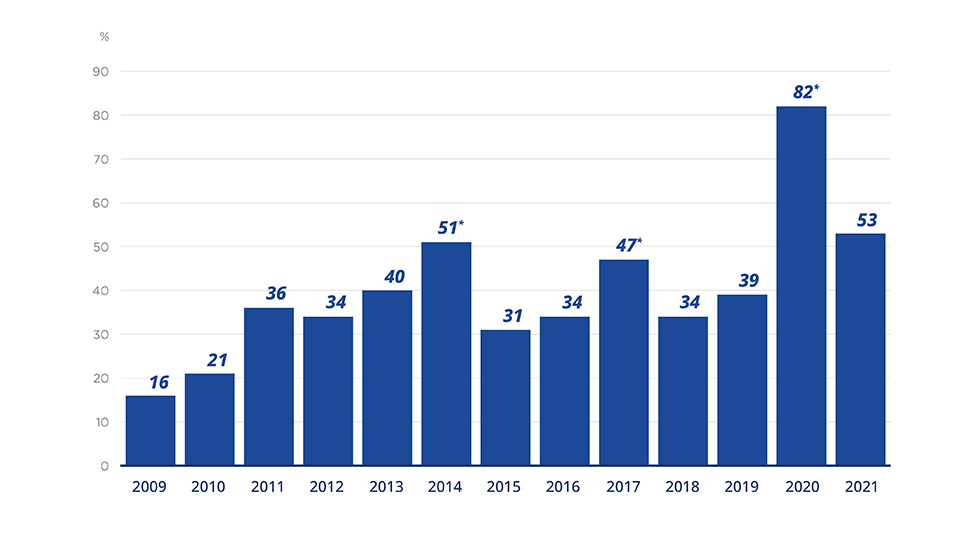
The gap between small business growth and available capital has widened significantly. According to the 2026 OECD Scoreboard and the SME Finance Forum, the global MSME finance gap has grown by over US$1.1 trillion, reaching $5.7 trillion. This shortfall is driven by traditional banks tightening risk appetites and the increasing complexity of modern supply chains.
AI-driven fintech platforms are filling this void by replacing rigid collateral requirements with real-time data analysis. Solutions like HES LoanBox and Mambu allow lenders to assess cash flow, transaction history, and digital footprints rather than relying solely on historical balance sheets. This shift enables faster approvals and more flexible underwriting for businesses that traditional banks often overlook.
While the technology changes, the fundamental need for working capital remains constant. Business owners must navigate these new digital pathways carefully, ensuring they understand the mechanics of algorithmic lending before committing to terms.
To manage the increased complexity of digital financing, many SMEs are also adopting specialized software tools. These platforms help organize the financial data required for AI underwriting, streamlining the path to approval.



As an Amazon Associate, we may earn from qualifying purchases.
Best AI underwriting platforms for SMEs
The shift toward automated underwriting has moved beyond simple chatbots to sophisticated engines that analyze cash flow, bank statements, and transaction data in real time. For small business owners, this means faster decisions and less paperwork. The platforms listed below represent the current leaders in 2026, balancing advanced AI capabilities with the ease of use required by non-technical founders.
1. HES LoanBox
HES LoanBox is widely recognized for its modular architecture, allowing lenders to customize the underwriting engine to specific risk models. Its AI capabilities focus on predictive analytics, helping lenders identify default risks before they materialize. For the end borrower, the interface is streamlined, reducing the time from application to funding. It is particularly strong for lenders who need to handle diverse loan products, from microloans to larger SME facilities.
2. Mambu
Mambu operates as a cloud-native core banking system that has expanded into lending. Its strength lies in its open API ecosystem, which allows seamless integration with third-party data providers for credit scoring. The platform’s AI modules analyze alternative data sources, such as utility payments or e-commerce sales, to assess creditworthiness for thin-file borrowers. This makes it a preferred choice for fintechs targeting underserved small business segments.
3. QUALCO Loan Manager
QUALCO Loan Manager focuses on simplicity and speed. Its AI underwriting engine is designed for quick turnaround, often providing instant credit decisions for smaller loan amounts. The platform automates much of the compliance and documentation process, reducing the operational burden on lenders. It is an excellent option for community banks or credit unions looking to modernize their lending without a massive IT overhaul.
4. American Express Business Blueprint
While primarily a payment processor, Amex has integrated sophisticated lending tools into its Business Blueprint offering. Their AI analyzes transaction history directly from the merchant account to offer pre-approved lines of credit. This approach eliminates the need for separate applications for many small businesses. The underwriting is highly accurate because it relies on real-time sales data rather than historical tax returns alone.
5. Kabbage (Amex)
Kabbage, now part of American Express, pioneered the automated underwriting model for small businesses. Its platform uses AI to pull data from multiple sources, including accounting software and e-commerce platforms, to build a comprehensive financial profile. The speed of approval is a standout feature, with many loans funded within minutes. It remains a top choice for businesses that need working capital quickly.
Comparison of Top Platforms
The table below compares the key features, approval speed, and target loan sizes of these platforms to help you choose the right fit.
| Platform | Approval Speed | Target Loan Size | Key Strength |
|---|---|---|---|
| HES LoanBox | 1-3 days | $5k-$500k | Customizable AI models |
| Mambu | Same day | $10k-$1M | API integration & alternative data |
| QUALCO | Instant-1 day | $5k-$100k | Simplicity & automation |
| Amex Blueprint | Instant | $5k-$250k | Transaction-based underwriting |
| Kabbage | Minutes | $5k-$500k | Speed & working capital |
Tools for Managing Business Finances
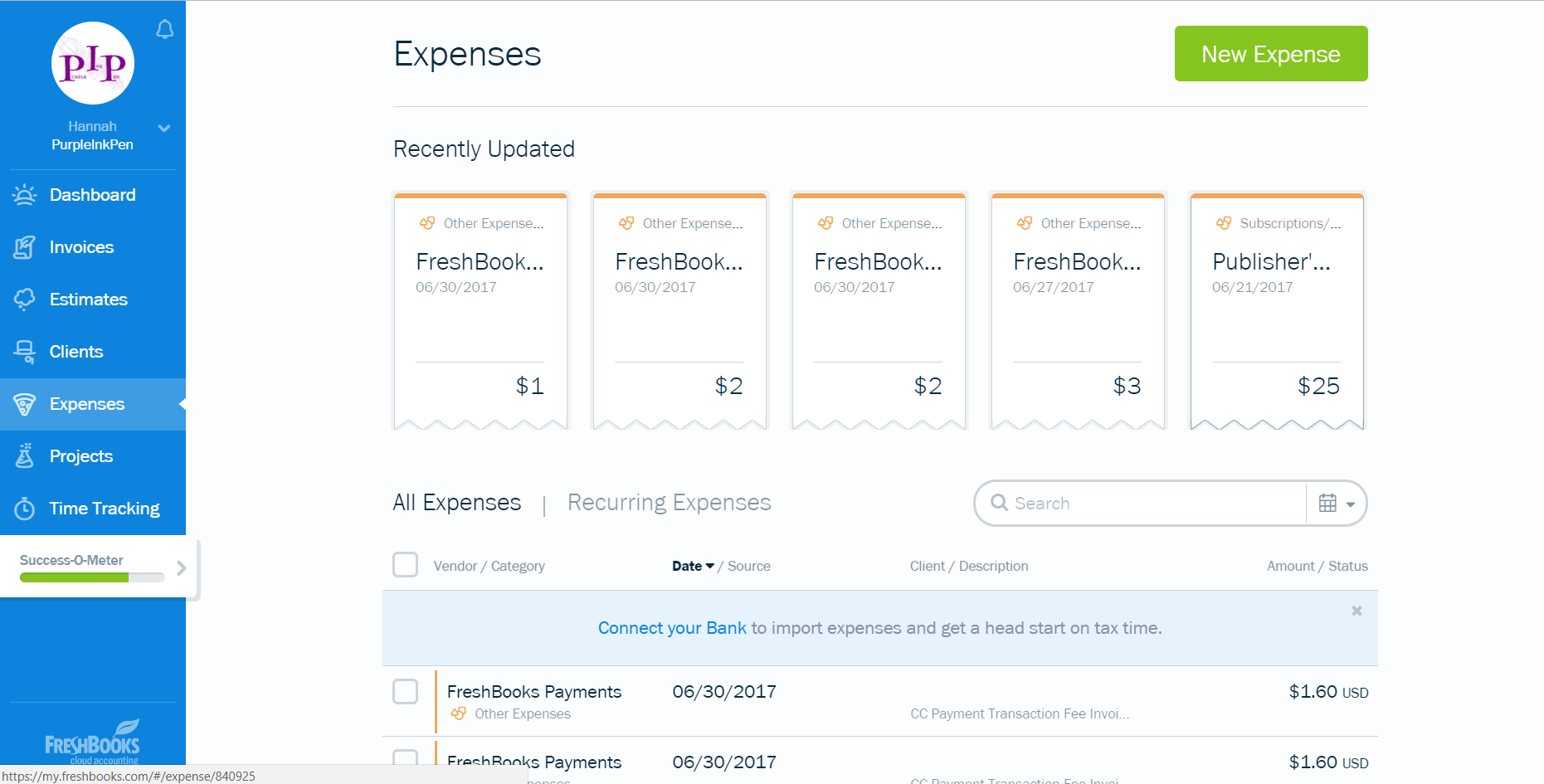
Successful underwriting starts with clean financial records. Small business owners should ensure their accounting software is up to date and integrated with their banking. Here are some essential tools to help manage finances effectively.


As an Amazon Associate, we may earn from qualifying purchases.
How AI underwriting changes approval odds
Traditional bank underwriting relies heavily on static credit scores and historical tax returns. This approach often rejects viable small businesses that lack a long credit history or have seasonal cash flow fluctuations. AI-driven platforms like HES LoanBox and Mambu shift the focus from past credit behavior to real-time financial health. They analyze alternative data points—such as daily transaction volumes, bank account turnover, and invoice payment patterns—to build a more accurate risk profile.
By ingesting data directly from accounting software and banking APIs, these systems can assess a business’s ability to repay in near real-time. Instead of waiting weeks for manual document verification, lenders use machine learning models to score applications based on liquidity and revenue consistency. This mechanism allows platforms to approve loans for businesses that would be flagged as "high risk" by traditional FICO-based models.
The result is a higher approval rate for SMEs with strong operational cash flow but thin credit files. Lenders can offer smaller, shorter-term working capital loans with faster turnaround times. For business owners, this means access to capital is based on how the business actually operates day-to-day, rather than just how it looked on a tax return three years ago.

As an Amazon Associate, we may earn from qualifying purchases.
Eligibility and application requirements
AI-driven SME lending platforms have shifted the underwriting focus away from rigid credit score thresholds. Instead, these systems prioritize revenue consistency and real-time financial ratios. This approach allows lenders to assess business stability through actual cash flow patterns rather than historical credit data alone.
To qualify, most platforms require a minimum of 12 to 24 months in operation with verifiable monthly revenue. The application process is largely digital, pulling directly from your accounting software or bank feeds. This automated data ingestion allows the AI to calculate debt-service coverage ratios instantly, providing a more accurate picture of your repayment capacity.
While the digital process is fast, the underlying data must be clean. Lenders look for steady revenue streams rather than volatile spikes. Timely tax filings and low existing debt ratios also signal financial health, reducing the perceived risk for the algorithm. This transparency helps SMEs with thinner credit files access capital based on their actual operational performance.
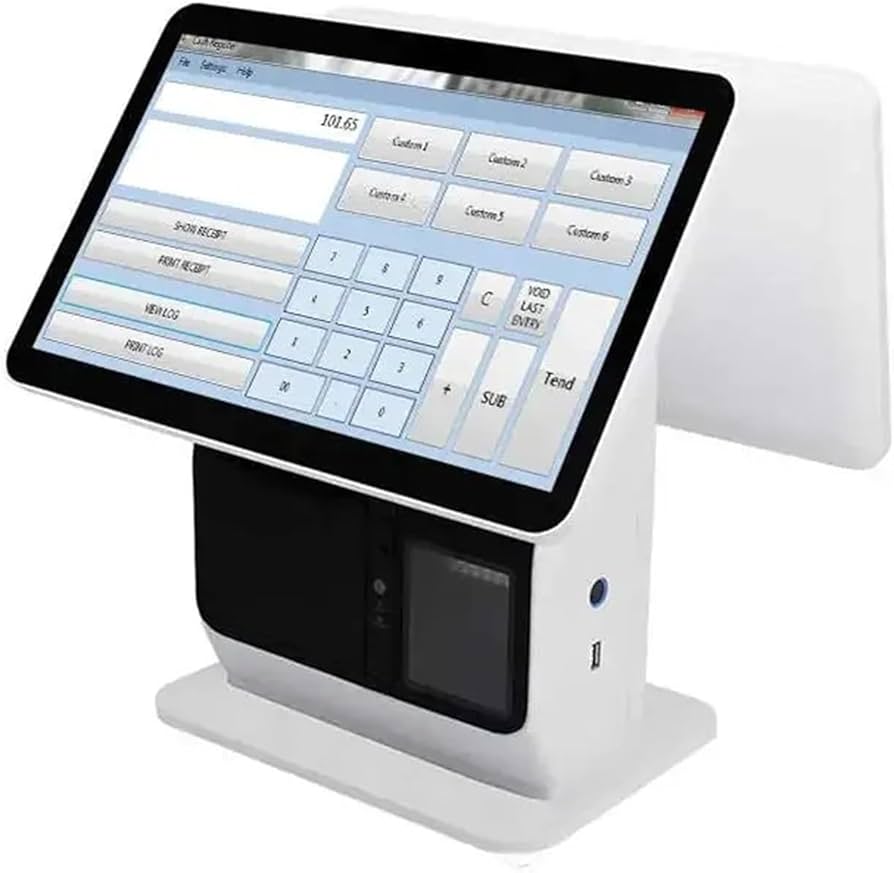
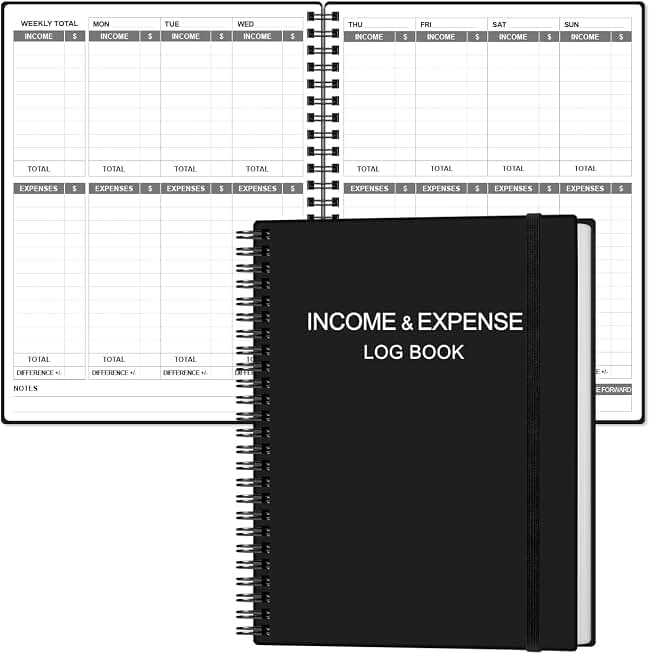
For entrepreneurs managing the financial logistics of these applications, having the right tools is essential. The following products can help streamline bookkeeping and cash flow monitoring, ensuring your data is ready for AI underwriters.


As an Amazon Associate, we may earn from qualifying purchases.
SME credit FAQs
As an Amazon Associate, we may earn from qualifying purchases.
No comments yet. Be the first to share your thoughts!