
The 2026 SME credit landscape
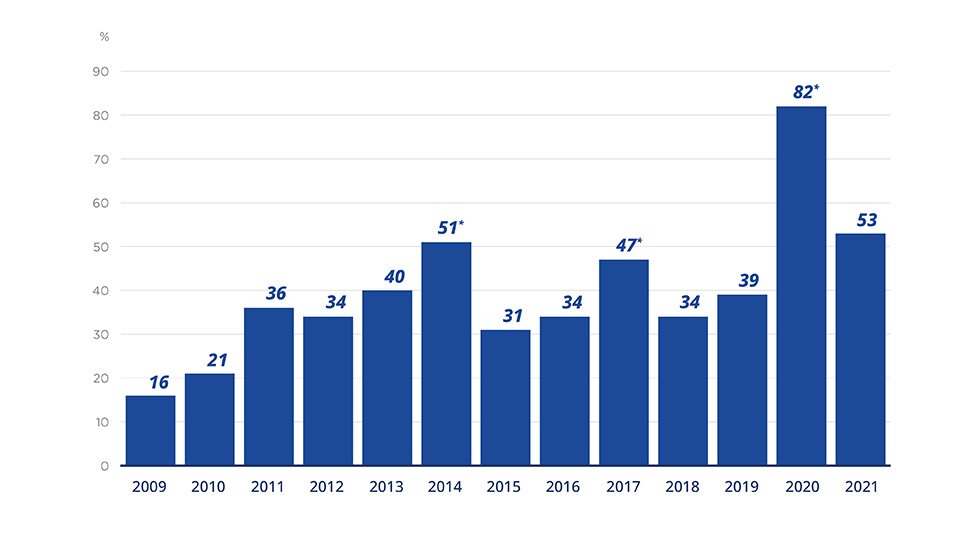
Small and medium enterprises continue to face a persistent global financing gap of approximately US$5.7 trillion, a figure that underscores the limitations of traditional banking models (World Bank). While banks remain cautious due to risk aversion and regulatory pressures, a significant shift is underway toward digital-first, AI-driven lending platforms that prioritize speed and data-driven underwriting over collateral.
This transition is reshaping how business owners access capital. Instead of navigating months of bureaucratic approval, many SMEs are turning to fintech solutions that offer instant decisions and flexible terms. Platforms like HES LoanBox and infrastructure providers such as Mambu are at the forefront of this change, enabling lenders to deploy capital more efficiently while offering borrowers transparency and agility.
The 2026 OECD Scoreboard confirms that while debt financing remains dominant, the sources of that debt are diversifying rapidly. For business owners, this means a wider array of options beyond the high street bank, provided they understand how to leverage these new digital tools to secure the right growth capital.
Top AI-driven lending platforms
Traditional banks often avoid small business loans due to risk aversion, leaving a significant financing gap for many enterprises. AI-driven lending platforms have emerged to fill this void by using alternative data and automated underwriting to assess creditworthiness more accurately than legacy models. These platforms prioritize speed and accessibility, allowing business owners to secure funding without navigating complex manual approval processes.
HES LoanBox
HES LoanBox is a comprehensive lending management system designed to streamline the entire loan lifecycle. It enables lenders to integrate AI-driven credit scoring, automating the assessment of borrower risk using both traditional financial statements and alternative data sources. The platform offers customizable workflows that adapt to different loan products, ensuring that decision-making is both rapid and compliant. For lenders looking to modernize their SME portfolio, LoanBox provides the infrastructure to scale operations while maintaining rigorous risk controls.
Mambu
Mambu operates as a cloud-native core banking system that empowers financial institutions to launch digital lending products quickly. Its API-first architecture allows for real-time data integration, enabling lenders to pull in diverse data points for instant credit decisions. By decoupling the front-end user experience from the back-end processing, Mambu supports highly personalized loan journeys. This flexibility makes it a preferred choice for neobanks and fintechs aiming to serve SMEs with tailored financing solutions that react instantly to market changes.
QUALCO Loan Manager
QUALCO Loan Manager focuses on simplifying the administrative burden of loan origination and servicing. It utilizes automated data extraction and validation to reduce the time spent on manual document review. The platform’s AI capabilities help identify potential red flags in applications early in the process, allowing underwriters to focus on complex cases. For smaller lending institutions, QUALCO offers an affordable entry point into AI-enhanced lending, improving approval accuracy without requiring extensive in-house technical resources.
American Express Business Blueprint
American Express Business Blueprint integrates credit decisioning directly into the merchant ecosystem. By leveraging vast transaction data from its network, Amex can offer real-time credit limits and instant funding approvals to merchants. This data-driven approach allows for dynamic credit lines that adjust based on actual business performance rather than static historical financials. For merchants already embedded in the Amex ecosystem, this platform provides a seamless way to access working capital exactly when cash flow needs are highest.
| Platform | Core Function | Primary Data Source | Best For |
|---|---|---|---|
| HES LoanBox | Loan Management System | Alternative + Traditional Data | Lenders scaling AI underwriting |
| Mambu | Cloud-Native Core Banking | Real-time API Integrations | Neobanks and Fintechs |
| QUALCO | Loan Origination & Servicing | Automated Document Extraction | Small to Mid-sized Lenders |
| Amex Blueprint | Embedded Credit | Merchant Transaction History | Existing Amex Merchants |
How alternative credit scoring works
Traditional bank lending relies heavily on FICO scores and years of audited financial statements. This model leaves many growing small businesses in a financing gap, as noted by the OECD and World Bank, which highlight that SMEs often lack the formal credit history required by conventional underwriters. Alternative credit scoring bridges this gap by analyzing real-time data points that reflect a business’s actual health rather than its past reputation.
Platforms like HES LoanBox and Mambu utilize AI to ingest diverse digital footprints. Instead of waiting for quarterly reports, these systems analyze cash flow patterns, transaction history, and even digital behavior. The AI looks for consistency in revenue deposits, payment velocity, and operational stability. This allows lenders to assess risk dynamically, offering capital to businesses that are cash-rich but credit-poor.
By focusing on transactional data, lenders can approve loans faster and with less friction. This method shifts the risk assessment from "will this business pay back based on history?" to "is this business currently generating enough cash to repay?". For many SMEs, this means access to working capital when it is needed most, without the bureaucratic delays of traditional banking.
Why banks are stepping back
Traditional banks are pulling back from SME lending because the risk-adjusted return has shrunk. Managing credit risk for small businesses is no longer a routine back-office task; it is a daily operational burden that consumes capital and compliance resources without generating proportional revenue. As noted by the SME Finance Forum, this environment forces CEOs and CFOs to prioritize stability over expansion, effectively closing the door on many small business borrowers.
The structural issue is simple: small loans are expensive to process. A $50,000 working capital line requires nearly the same underwriting effort as a $5 million corporate facility, but the fee income is a fraction. When regulatory capital requirements tighten, banks cannot justify the risk. This creates a supply-side gap that fintech platforms like HES LoanBox are now filling by automating the very processes banks find too costly.
This shift is not temporary. The World Bank and OECD consistently report that SMEs face a persistent financing gap precisely because legacy institutions rely on manual, relationship-based lending models. As these models become economically unviable in a high-rate, high-compliance era, fintech lenders using platforms like Mambu to scale underwriting are becoming the primary source of growth capital for small businesses.
Choosing the right credit line
Selecting a lending platform requires matching your business profile to the right technology stack. The World Bank highlights a persistent $5.7 trillion financing gap in emerging markets, driven by traditional risk aversion among banks. To bridge this, SME owners must prioritize platforms that align with their specific operational needs rather than settling for generic terms.
For smaller enterprises or those needing rapid deployment, platforms like HES LoanBox offer streamlined workflows that reduce administrative friction. These systems are designed to accelerate approval times, making them ideal for businesses where speed is critical to capturing market opportunities. Conversely, larger organizations often require the modular scalability of Mambu, which integrates deeply into existing core banking infrastructure for complex credit management.
Your industry and revenue size should dictate your choice. If you are a service-based startup, look for lenders with flexible underwriting models. If you are in manufacturing or retail, prioritize platforms that support inventory financing or supply chain integration. The OECD’s 2026 Scorecard emphasizes that transparency in lending criteria is just as valuable as the rate itself. Choose a partner that offers clear visibility into how your creditworthiness is assessed, ensuring the platform grows with your business rather than limiting it.
Frequently asked questions about SME credit
What is SME credit?
SME credit is a form of financing specifically designed for small and medium-sized enterprises. It provides access to financial resources for investment, growth, working capital, equipment, and inventory. Unlike general consumer loans, this credit is tailored to the cash flow cycles and asset structures typical of small businesses.
Why do banks avoid SME loans?
Banks often perceive small businesses as higher risk, leading to risk aversion in lending decisions. This can result in smaller loan amounts, stricter collateral requirements, or higher interest rates. According to OECD data, managing SME credit risk remains a primary concern for financial institutions, influencing their willingness to lend without robust digital underwriting tools.
What is the SME subsidy 2026?
The 2026 SME subsidy programs, such as Malaysia’s digitalisation grant, provide matching funds to help businesses adopt digital tools. These grants aim to improve productivity and competitiveness by offsetting the cost of software and equipment, supporting the broader 2026 Budget commitment to digital transformation.
Helpful gear
Use these product recommendations as a starting point, then choose the size, material, and price point that fit how you actually use the gear.


As an Amazon Associate, we may earn from qualifying purchases.
No comments yet. Be the first to share your thoughts!