
What is SME stables credit
SME stables credit is a specialized financing product that bridges traditional small business lending with blockchain technology. Unlike conventional bank loans that rely heavily on historical credit scores and lengthy underwriting processes, this mechanism uses Real-World Assets (RWA) as collateral to generate liquidity in the form of stablecoins.
In this model, a business pledges tangible assets—such as inventory, receivables, or equipment—to a lending protocol. These assets are tokenized or locked in a smart contract, creating a secure, verifiable backing for the stablecoin issued to the borrower. This structure allows lenders to mitigate risk through direct asset control rather than relying solely on credit bureau data, which often fails to capture the true financial health of smaller enterprises.
The primary advantage is speed. Because the collateral is digital and the lending terms are encoded in smart contracts, approval and disbursement happen in minutes rather than weeks. AI-driven tools further streamline this by automatically assessing the value of the pledged assets and monitoring their status in real-time, ensuring the loan remains compliant without manual intervention.
This approach transforms illiquid business assets into immediate working capital. For small and medium-sized enterprises (SMEs) that struggle to access traditional bank credit due to lack of established credit history, stables credit offers a practical, asset-backed alternative that prioritizes current value over past performance.
Check your eligibility criteria
Lenders using AI scoring models for SME stables credit do not rely on traditional FICO scores alone. Instead, they evaluate your business as a living digital entity. To qualify, you must meet specific thresholds regarding how long you have operated, your revenue stability, and the depth of your digital footprint.
Business age and revenue history
Most AI-driven lenders require a minimum operating history of 12 to 24 months. This period allows the algorithm to establish a baseline for cash flow consistency. If your business is newer, you may need to provide projected financials or personal guarantees to offset the lack of historical data.
Revenue requirements vary by sector, but lenders typically look for a minimum monthly gross revenue of $5,000 to $10,000. They also analyze revenue trends over the last 12 months to detect seasonality or decline. A steady or growing revenue line is more valuable than a high but volatile one.
Digital footprint and data access
AI scoring relies on real-time data integration. You must have an active business bank account linked to your application for automated transaction analysis. Lenders often require read-only access to your accounting software (such as QuickBooks or Xero) to verify income accuracy.
Additionally, your digital presence matters. Lenders may scan your website, social media activity, and online sales records (e.g., Shopify, Amazon) to assess brand legitimacy and customer engagement. A sparse digital footprint can lead to rejection, even if your financials are strong.
Pre-application checklist
Before submitting your SME stables credit application, verify that you meet these core requirements:
- Business Age: Operating for at least 12–24 months.
- Revenue: Consistent monthly gross revenue of $5,000+.
- Bank Account: Active business account for transaction verification.
- Accounting Software: Linked QuickBooks, Xero, or similar.
- Digital Presence: Active website and/or e-commerce store.
Connect your business data
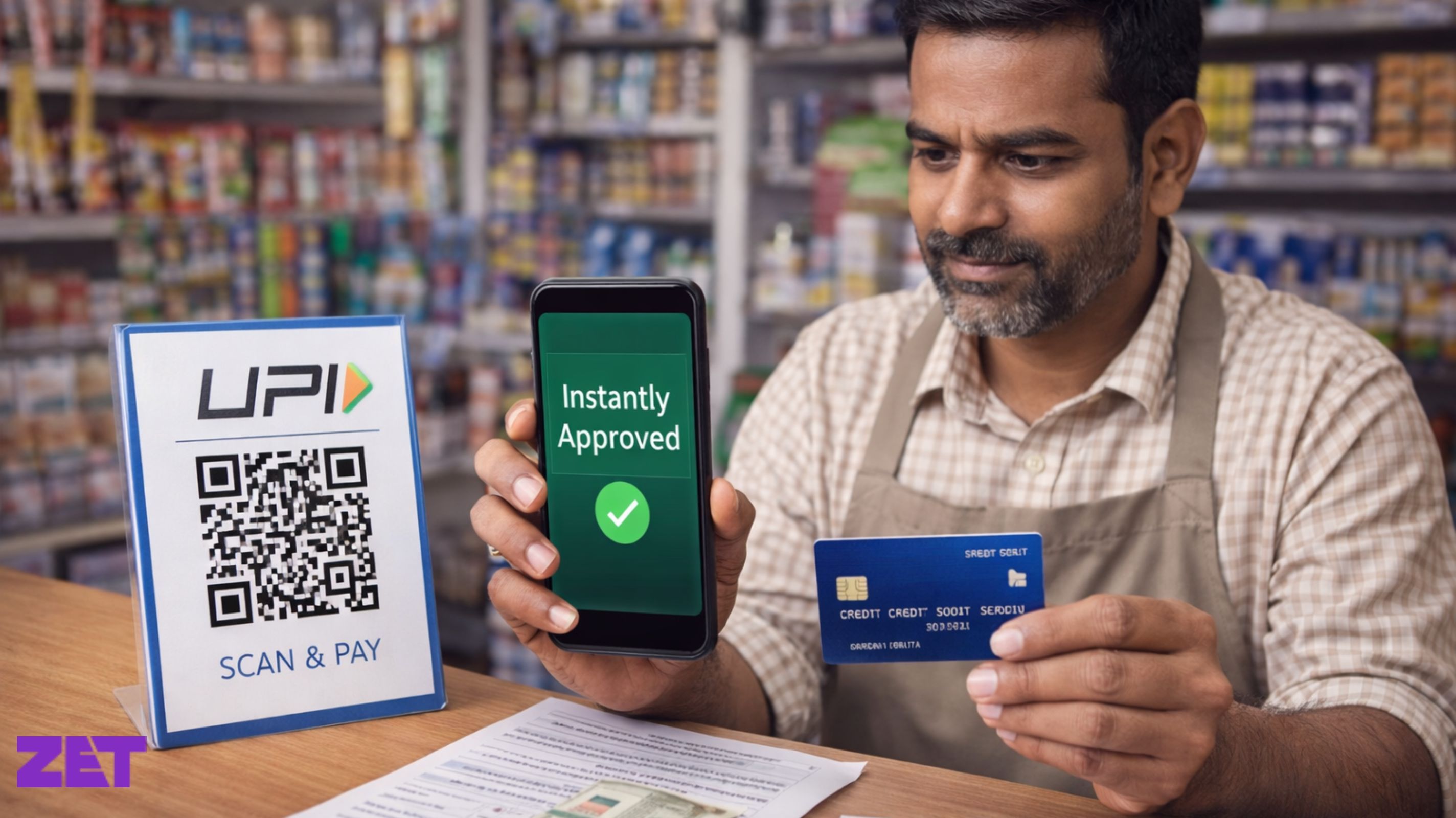
Lenders use alternative credit data to assess risk when traditional credit scores are thin or missing. To apply for SME Stables Credit, you must link your existing financial infrastructure to the lending platform. This allows the system to analyze cash flow, revenue consistency, and operational health in real time.
Most modern lending platforms support direct integrations with major accounting software and banking APIs. By connecting these accounts, you eliminate manual data entry and provide lenders with verified, up-to-date financial records. This transparency often leads to faster approval times and more accurate loan terms.
Step 1: Prepare your accounting credentials
Before starting the connection process, ensure you have administrator access to your primary accounting software, such as QuickBooks Online, Xero, or FreshBooks. Lenders need read-only access to your general ledger, profit and loss statements, and balance sheets. If you use a smaller, niche accounting tool, check if the lending platform supports CSV uploads as a fallback.
Step 2: Initiate the integration
Log into the SME Stables Credit application portal and navigate to the "Financial Data" or "Bank Connections" section. Click the "Connect Account" button. You will be redirected to a secure authentication page provided by the software vendor (e.g., Intuit for QuickBooks). This redirect ensures your login credentials never touch the lender's servers directly.
Step 3: Authenticate and grant permissions
Enter your accounting software username and password on the vendor's secure login screen. You will then see a permissions dialog. Review the scope carefully; you generally need to grant "Read-Only" access to transactions, accounts, and customer lists. Avoid granting "Write" or "Edit" permissions unless explicitly required for automated bill pay features, which are not needed for credit assessment.
Step 4: Link your primary bank account
Next, connect your business checking account. Use your online banking credentials to establish a direct feed. This step pulls real-time transaction data, allowing the lender to verify deposit consistency and identify recurring expenses. Some platforms also allow you to connect secondary accounts (savings, credit cards) to provide a fuller picture of your liquidity.
Step 5: Verify the data sync
Once connected, the platform will perform an initial data sync, which may take a few minutes. Review the summary dashboard to ensure transactions are populating correctly. Look for any "Failed" or "Missing" categories. If errors appear, check your banking settings for any two-factor authentication blocks or recent password changes that might interrupt the feed.
Step 6: Review and submit
After confirming that your income and expense data are flowing accurately, proceed to the next stage of the application. The lender’s algorithm will now process this alternative credit data alongside your application details. Keep your accounting and banking portals open for 24–48 hours to ensure the feed remains stable during the underwriting review.
Compare AI Underwriting Offers
Once your application passes initial screening, the AI underwriting engine generates specific credit terms. These offers are not generic estimates; they are tailored based on your real-world assets and transaction history. Understanding the differences between offers helps you select the option that aligns with your cash flow needs.
The core advantage of AI-driven underwriting is transparency. Unlike traditional banks that may hide fees in fine print, these platforms break down the cost of capital clearly. You will see the Annual Percentage Rate (APR), the total repayment amount, and how your collateral (RWA) secures the loan. This clarity allows you to compare offers side-by-side without guessing at hidden costs.
Below is a comparison of typical SME stables credit offers generated by different AI models. Use this table to evaluate which lender offers the most favorable terms for your specific business size and risk profile.
| Lender Type | APR | Loan Term | Collateral | Approval Speed |
|---|---|---|---|---|
| Traditional Bank | 8-12% | 3-5 years | Real Estate | 30-60 Days |
| Online Lender | 10-15% | 1-3 years | Receivables | 1-7 Days |
| DeFi Protocol | 5-9% | 6-24 months | Crypto/Stables | Instant |
| Hybrid Platform | 7-11% | 2-4 years | Mixed Assets | 3-10 Days |
When reviewing these options, focus on the total cost of borrowing rather than just the monthly payment. A lower APR with a shorter term might result in higher monthly outflows, impacting your working capital. Conversely, a longer term with a slightly higher APR may provide the breathing room your business needs during seasonal fluctuations. Always verify that the collateral requirements match the assets you are comfortable locking up.
The AI engine updates these terms in real-time based on market conditions and your updated financials. If your revenue spikes, you may see an immediate improvement in your offered APR. Conversely, if market volatility increases, the system may tighten collateral requirements. Regularly checking your dashboard ensures you are applying when the terms are most favorable to your current financial health.
Fund and manage your credit line
Once your SME Stables Credit application is approved, the final steps focus on accepting the offer and setting up your repayment structure. This phase turns the digital offer into active working capital that you can use immediately for business needs.

Log in to the lender’s digital portal and locate the approved credit facility. Review the specific terms, including the interest rate, repayment schedule, and any associated fees. Confirm your acceptance by signing the digital agreement electronically. This step formally activates the line of credit in your account.
Upon acceptance, the approved amount in stablecoins (typically USDC or USDT) is transferred directly to your designated digital wallet or bank-linked account. This transfer is usually instantaneous, allowing you to access funds for inventory, payroll, or operational expenses without the delays common in traditional banking.
Configure your repayment schedule within the platform to ensure timely payments. You can set up automatic deductions from your linked business account or wallet balance on the agreed dates. Automating this process prevents late fees and maintains a positive credit history with the provider.
Use the platform’s dashboard to track your drawn amounts, remaining credit limit, and outstanding balances in real time. Regular monitoring helps you manage cash flow effectively and ensures you do not exceed your credit limit, which could trigger penalties or reduce your available funding.
Common questions about SME stables credit
Understanding the terminology and mechanics of SME stables credit helps you prepare better documentation and choose the right lending partner. These answers address the most frequent inquiries from business owners navigating this financing process.
What is SME credit?
SME credit refers to financing products specifically structured for small and medium-sized enterprises. Unlike standard consumer loans, this credit is tailored to address business-specific needs such as working capital, equipment purchases, inventory management, and expansion projects. It provides a structured way to secure the financial resources necessary for operational stability and growth.
What does SME stand for in lending?
In the context of lending and banking, SME stands for Small and Medium Enterprises. This classification distinguishes businesses that fall outside the large corporate sector. Lenders use this designation to apply specific risk models and eligibility criteria, recognizing that SMEs often have different cash flow patterns and collateral structures than large corporations.
Which bank is best for SME lending?
There is no single "best" bank for all businesses; the right choice depends on your industry, credit history, and loan size. Traditional banks often offer lower interest rates for established businesses with strong collateral, while specialized SME lenders may provide faster approvals for newer companies. Evaluate lenders based on their track record with businesses like yours, their fee structures, and their flexibility in repayment terms rather than just the headline interest rate.
No comments yet. Be the first to share your thoughts!