
Why AI credit scoring matters in 2026
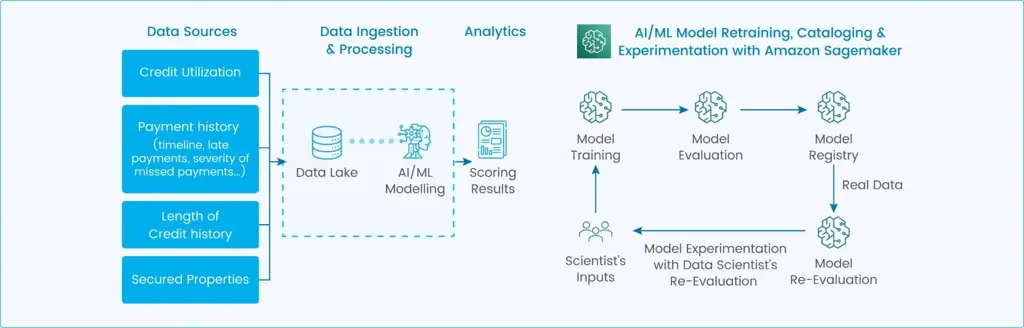
Traditional FICO scores were built for a different era. They rely heavily on historical debt repayment, a narrow lens that often misses the true financial health of a business. In 2026, lenders are shifting toward AI credit scoring models that analyze over 100 data points, including real-time cash flow, utility payments, and transaction history. This shift is critical for small and medium-sized enterprises (SMEs) that may have strong revenue but thin credit files.
The impact is measurable. Research indicates that AI-driven models can reduce default risk by over 30% compared to traditional underwriting methods. By integrating diverse, real-time data, these systems improve approval rates while simultaneously lowering the risk for lenders. This balance allows financial institutions to extend credit to viable businesses that were previously overlooked.
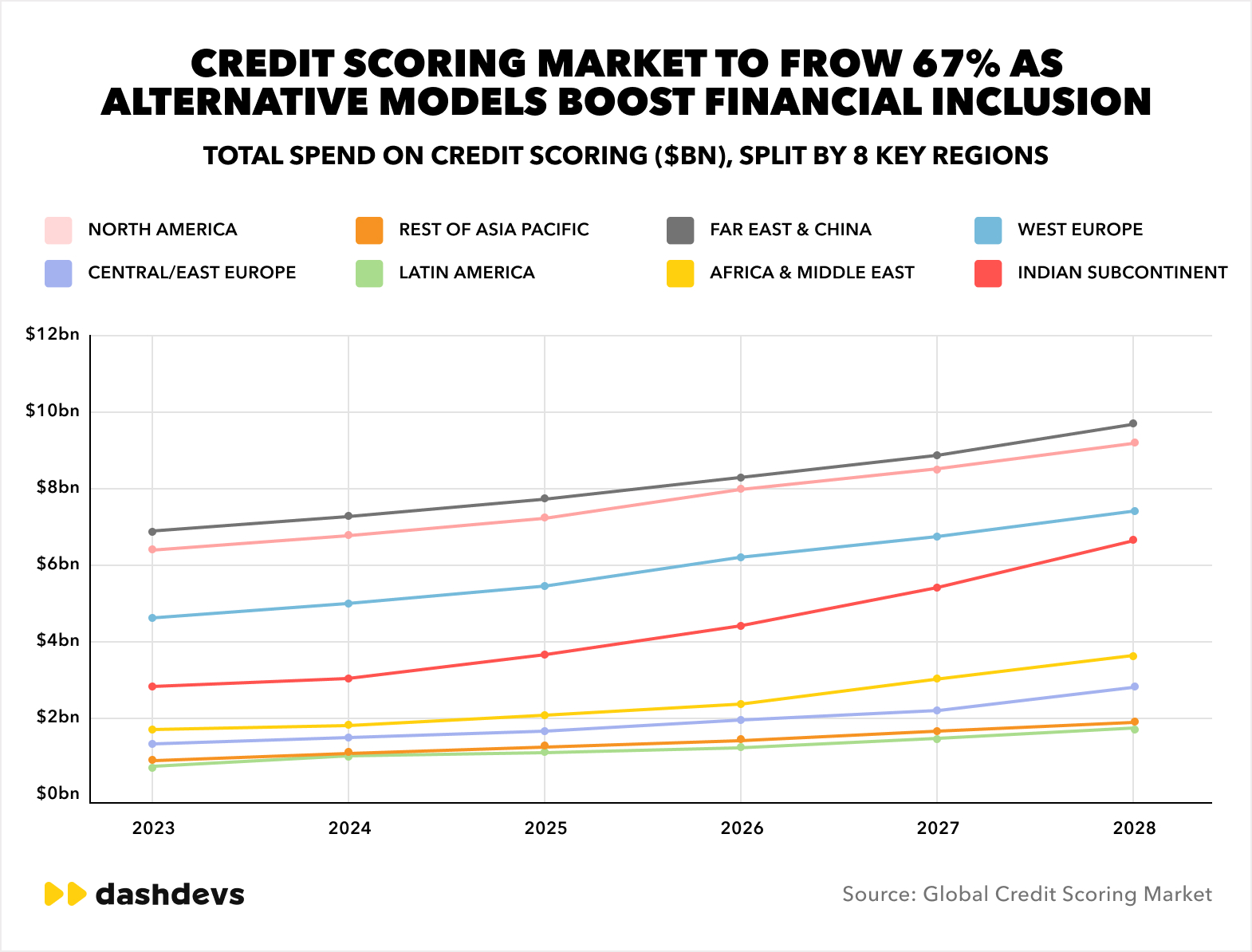
This technological leap is also driving financial inclusion. For entrepreneurs in underserved markets or those with non-traditional income streams, AI credit scoring offers a fairer assessment. Instead of being rejected for lacking a long credit history, these businesses are evaluated on their actual operational performance. This opens doors to capital that fuels growth and stability in the broader economy.


As an Amazon Associate, we may earn from qualifying purchases.
How AI underwriting changes SME lending
Traditional bank loans often reject small businesses because they rely heavily on static credit history and short operating track records. Machine learning underwriting flips this model by analyzing a wide array of data points to build a complete financial picture. Instead of looking only at past debt repayment, these systems evaluate cash flow dynamics, transaction history, and alternative data sources.
The mechanism is straightforward but powerful. Algorithms ingest bank statements, invoice payment patterns, and even supply chain logistics to assess risk dynamically. This allows lenders to see a business’s actual operational health rather than just its credit score. A restaurant with strong daily sales but a thin credit file can be ranked accurately, whereas a traditional model might overlook it entirely.
This shift enables significantly faster and more accurate risk ranking for small businesses. Decisions that once took weeks can now happen in minutes, with underwriters having access to a more nuanced view of the borrower’s stability. For SMEs, this means capital becomes accessible to those who are operationally sound, even if their historical credit data is limited.
Compare AI credit scoring platforms
Choosing the right AI credit scoring software depends on your institution's size, data maturity, and regulatory environment. The leading platforms—GiniMachine, Zest AI, and Scienaptic AI—offer distinct advantages for different segments of the lending market. While enterprise banks prioritize explainability and fair-lending compliance, smaller community banks and credit unions often need solutions that integrate quickly without requiring a dedicated data science team.
The following table compares these top vendors across four critical dimensions: data flexibility, explainability depth, target audience, and integration complexity. This comparison helps you identify which tool aligns with your specific operational needs.
| Vendor | Data Inputs | Explainability | Target Audience | Integration Ease |
|---|---|---|---|---|
| GiniMachine | Alternative + Traditional | High (ML-focused) | SME Lenders, Credit Unions | Low-code / API |
| Zest AI | Traditional + Alternative | Very High (Regulatory) | Large US Banks | Enterprise / Complex |
| Scienaptic AI | Alternative + Cashflow | High (Graph-based) | SME & Commercial Lenders | Modular / API |
GiniMachine stands out for its ability to leverage alternative data without requiring a large data science team. Its low-code approach makes it particularly suitable for smaller lenders who need to modernize their underwriting quickly. Zest AI, by contrast, is built for large institutions where regulatory scrutiny is highest. Its deep explainability features help compliance teams navigate complex fair-lending laws, though this comes with a more complex integration process. Scienaptic AI offers a middle ground, using graph-based analytics to uncover hidden relationships in cash flow data, which is valuable for SME lending where traditional credit scores are often insufficient.
When evaluating these platforms, consider your primary bottleneck. If speed to market is critical, GiniMachine’s streamlined integration is a strong fit. If regulatory risk is your main concern, Zest AI’s explainability engine provides the necessary audit trail. For lenders focused on cash-flow-based underwriting, Scienaptic’s graph analytics offer a distinct edge.


As an Amazon Associate, we may earn from qualifying purchases.
Top 5 AI credit scoring tools for 2026
The AI credit scoring market has shifted from experimental prototypes to deployed infrastructure. For small and medium-sized enterprises (SMEs) and community banks, the choice of software now hinges on two factors: the ability to use alternative data without a data science team, and the rigor of fair-lending explainability. The following five platforms represent the current standard for automated underwriting, each solving a different bottleneck in the lending workflow.
GiniMachine: ML scoring without data science
GiniMachine targets lenders who need machine learning capabilities but lack the internal resources to build and maintain models. The platform operates as a no-code solution, allowing credit officers to upload historical loan data and generate scoring models in minutes. It focuses on interpretability, ensuring that every decision can be explained to regulators and customers. This makes it particularly effective for community banks and credit unions that must balance innovation with strict compliance requirements.
Zest AI: Fair-lending depth for US institutions
Zest AI has built its reputation on the intersection of advanced analytics and regulatory compliance. Rather than simply predicting default risk, the platform provides tools to audit models for disparate impact, a critical requirement for lenders operating in the United States. It integrates with existing core lending systems to enhance approval rates while maintaining a clear audit trail. Lenders using Zest AI often report significant improvements in approval accuracy without increasing overall risk exposure.
Scienaptic AI: Alternative data for thin-file borrowers
Scienaptic AI specializes in analyzing non-traditional data points to assess creditworthiness for borrowers with limited credit history. The platform processes thousands of data signals, including cash flow patterns and utility payments, to create a comprehensive risk profile. This approach is essential for lenders looking to expand their addressable market into the underserved SME segment. By relying on financial behavior rather than static credit bureau scores, Scienaptic helps lenders make faster, more accurate decisions.
Upstart: Consumer-focused automation
While primarily known for consumer lending, Upstart’s technology stack offers a blueprint for automated underwriting at scale. The platform uses neural networks to evaluate a wider range of applicant characteristics than traditional FICO-based systems. For fintechs and digital-first banks, Upstart’s API-first approach allows for rapid integration of AI-driven credit decisions into mobile applications. Its focus on reducing manual underwriting time makes it a strong candidate for high-volume, low-touch lending environments.
Kabbage: Cash flow-based SME lending
Kabbage (now part of American Express) pioneered the use of cash flow analysis for small business loans. The platform connects directly to a business’s accounting software and bank accounts to assess financial health dynamically. This method allows for instant credit decisions and flexible credit lines that adjust based on ongoing performance. For lenders focused on working capital, Kabbage’s model demonstrates how continuous monitoring can reduce default rates compared to static annual reviews.
AmazonProductGrid
Choosing the right AI scoring model
Selecting an AI credit scoring platform requires balancing technical capability with regulatory safety. For SME lenders, the choice often comes down to a decision framework: build your own model, buy a turnkey solution, or use a hybrid approach. Most mid-sized lenders find that buying a pre-trained model reduces time-to-market while maintaining control over risk parameters.
1. Assess data readiness
Your existing data infrastructure dictates which platforms you can actually use. If your loan files are mostly unstructured PDFs or scattered spreadsheets, you need a platform with strong document processing capabilities. Built-in data cleaning and feature engineering save months of development time. If your data is already structured and clean, you can focus on model selection rather than data preparation.
2. Verify regulatory compliance
Explainability is not optional in lending. Regulators require you to explain why an application was denied. Choose a platform that provides clear, auditable reasons for every decision, not just a black-box score. Look for tools that align with fair lending laws and can generate documentation for audits. Without this, you risk significant legal exposure.
3. Evaluate integration ease
Your new scoring model must fit into your existing loan origination system. API-first platforms integrate faster and require less custom coding. Check if the vendor offers pre-built connectors for common banking software. A smooth integration ensures your loan officers can use the new scores without disrupting their workflow.



As an Amazon Associate, we may earn from qualifying purchases.
Common questions about AI credit scoring
AI credit scoring does not fix your credit score. It assesses risk by analyzing a wide range of data points, including alternative data sources, to determine creditworthiness more accurately than traditional methods. This helps lenders approve SME loans for borrowers with thin or imperfect credit histories, but it does not erase negative items from your report.
The biggest killer of credit scores remains missed payments. Late payments stay on your report for seven years and heavily influence your risk profile. AI models can weigh these heavily, but they also look at cash flow and business revenue to find candidates who might otherwise be overlooked.
The 30% rule in AI credit scoring refers to the reduction in default risk. Implementing AI-based models can reduce default risk by over 30% compared to traditional scoring. This accuracy gain allows lenders to extend credit to small businesses that traditional banks might reject.
The 2-2-2 credit rule is a heuristic for managing debt. It suggests keeping credit card balances below 30% of the limit, paying bills on time for two years, and maintaining a mix of credit types. AI tools monitor these factors to provide real-time advice on improving your score.
No comments yet. Be the first to share your thoughts!