
What is SME Stables Credit?
SME Stables Credit is a structured financing product that combines the liquidity of stablecoins with the rigor of AI-driven underwriting. Unlike traditional bank loans, which often rely on static collateral and slow manual reviews, or private credit funds that may carry high fees and illiquidity, this solution uses a Real World Asset (RWA)-backed mechanism to provide capital.
At its core, the product allows small businesses to access working capital by tokenizing their future cash flows or invoices. These assets are backed by real-world revenue streams, creating a transparent ledger that AI models analyze in real-time. This approach reduces the friction of credit approval, allowing lenders to assess risk based on actual performance data rather than just historical credit scores.
The AI underwriting layer continuously monitors the underlying RWA performance, adjusting risk parameters dynamically. This ensures that the stablecoin issuance remains solvent while offering SMEs a faster, more flexible alternative to conventional lending. By bridging decentralized finance infrastructure with tangible business assets, SME Stables Credit aims to democratize access to growth capital.
The chart above illustrates the broader interest rate environment (US 10Y Treasury yield) which influences the cost of capital for SMEs. While SME Stables Credit aims to decouple from traditional rate volatility through its RWA-backed structure, understanding the macroeconomic backdrop remains essential for assessing the relative value of this credit product.
How AI speeds up approval
Traditional bank underwriters often rely on static snapshots of a business’s financial health, such as annual tax returns or quarterly balance sheets. This manual approach can take weeks, leaving cash-strapped SMEs in limbo. AI-driven lending flips this model by ingesting real-time operational data to assess creditworthiness instantly. Instead of waiting for a human to verify documents, algorithms analyze cash flow patterns, invoice history, and transaction velocity to approve loans in minutes.
The process begins with data aggregation. When an SME applies for credit, the platform securely connects to the business’s accounting software, bank accounts, and invoicing tools. This integration provides a live feed of financial activity, capturing the rhythm of the business rather than a single point in time. For example, a retailer’s seasonal spikes or a service provider’s recurring client payments are all visible, offering a nuanced view of stability that traditional credit scores miss.
The application starts with secure API connections to your existing financial infrastructure. The system pulls real-time data from bank accounts, accounting software like QuickBooks or Xero, and payment processors. This creates a comprehensive, up-to-date digital ledger that serves as the foundation for the AI’s analysis.
Machine learning models analyze the incoming data streams to identify patterns in revenue consistency, expense ratios, and cash flow velocity. The AI evaluates the business’s ability to repay based on actual transaction history rather than just historical credit scores. It looks for signs of financial resilience, such as steady recurring income or healthy profit margins, even if the business is new or has limited credit history.

Within seconds, the AI generates a risk assessment and determines the loan amount and terms. This decision is based on the business’s current financial health and projected cash flows. Unlike traditional banks that may require multiple rounds of manual review, the automated system provides an immediate verdict, allowing entrepreneurs to know their funding status instantly.
Once the borrower accepts the terms, funds are transferred directly to the business’s bank account. This final step is often completed within hours or even minutes, ensuring that the capital is available to cover immediate needs such as inventory purchases, payroll, or operational expenses. The speed of disbursement is a critical advantage for SMEs facing urgent cash flow gaps.
This automated workflow significantly reduces the time from application to funding. By removing manual underwriting bottlenecks, AI lenders can offer credit to businesses that might be overlooked by traditional institutions. The result is a more agile financing ecosystem where capital is allocated based on real-time performance rather than historical lag.
Real-World Asset Backing and Risk Management
SME Stables Credit operates on a foundation of tangible collateral rather than speculative leverage. Unlike unsecured digital lending platforms, our credit lines are backed by verified real-world assets (RWA). This structure ensures that every dollar of credit extended to small businesses is supported by liquid, auditable reserves, significantly reducing counterparty risk for both the lender and the borrower.
The safety mechanism relies on a transparent over-collateralization model. Borrowers must pledge assets—such as accounts receivable, inventory, or stable fiat deposits—that exceed the value of the credit line. This buffer protects against market volatility and ensures that funds remain available even if a borrower faces temporary liquidity stress. The collateral is held in segregated accounts, monitored in real-time, and valued using oracle feeds that update daily.
To provide context on how this compares to traditional financing, the table below outlines the key differences between SME Stables Credit and conventional SME bank loans.
| Feature | SME Stables Credit | Traditional SME Bank Loan |
|---|---|---|
| Collateral | Real-world assets (RWA) + Over-collateralization | Personal guarantees + Fixed assets |
| Approval Speed | 24-48 hours (automated due diligence) | 2-6 weeks (manual underwriting) |
| Interest Rates | Dynamic, based on risk tier | Fixed or prime-based, often higher for SMEs |
| Transparency | On-chain collateral tracking | Opaque internal risk models |
| Access to Capital | Global, borderless | Restricted by jurisdiction and branch presence |
Risk management is not static. We employ dynamic monitoring tools that adjust credit limits and interest rates based on the borrower's repayment behavior and the real-time value of the underlying collateral. This proactive approach ensures that the platform remains resilient against economic downturns, providing a stable credit environment for small businesses. By anchoring credit in real-world value, we bridge the gap between traditional financial security and the efficiency of digital finance.
Who qualifies for SME stables credit
SME stables credit relies on real-time cash flow data rather than static collateral. To qualify, your business must provide verifiable transaction histories that allow the AI model to assess repayment strength. Lenders prioritize companies with consistent revenue streams over those with sporadic income.
Core eligibility requirements
- Business Age: Most platforms require at least 12 months of operational history to establish a reliable data baseline.
- Revenue Volume: Minimum monthly revenue thresholds (often $5,000–$10,000) ensure the business can absorb regular repayments.
- Digital Footprint: You must have accessible digital records, such as bank statements or payment processor data, for automated analysis.
- Credit Standing: While traditional scores matter less, a history of severe defaults or bankruptcy typically disqualifies applicants.
The data advantage
Traditional lenders look backward at collateral. AI-driven stables credit looks forward at cash flow velocity. By analyzing transaction patterns, the model predicts future liquidity with greater precision. This approach allows businesses with strong growth but limited assets to access capital.
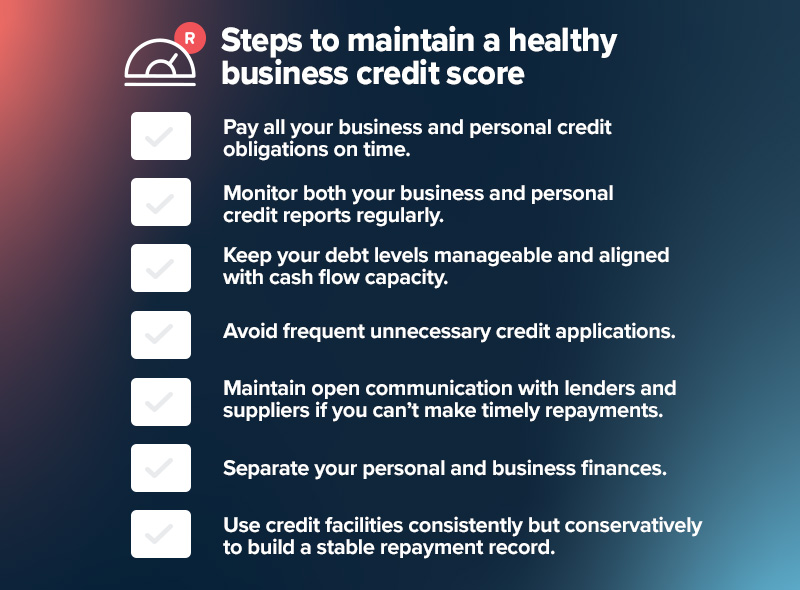
To understand how your business fits this model, check your credit profile with one of the major credit agencies. This step helps you understand how well-positioned your company is to secure favorable rates based on your current data footprint. Find your small business credit score to start the self-assessment process.
Common mistakes to avoid
Digital credit applications move fast, but small errors can cause immediate rejection. AI-driven scoring models rely on precise data to assess risk. When inputs are messy, the algorithm cannot accurately predict repayment strength, leading to unfavorable terms or denied loans.
Inconsistent Financial Records
AI models look for patterns in cash flow and revenue stability. Submitting incomplete bank statements or mismatched ledger entries breaks these patterns. Lenders view this as high risk, often resulting in higher interest rates to compensate for the uncertainty. Ensure all financial documents are reconciled and consistent before applying.
Overstating Revenue
Some applicants inflate revenue figures to qualify for larger limits. AI verification tools cross-check submitted data against bank transactions and tax filings. Discrepancies are flagged immediately, damaging your credibility. It is better to apply for a realistic amount based on actual performance than to risk rejection for fraud.
Ignoring Existing Debt Obligations
Many SMEs overlook how existing liabilities affect their debt-to-income ratio. High existing debt signals over-leverage, even if current payments are up to date. AI scoring models penalize high leverage by reducing credit limits or increasing costs. Review your current obligations and pay down smaller debts before applying to improve your profile.
Missing Documentation
Incomplete applications are the most common reason for delays. If the AI system cannot verify key metrics like average monthly balance or invoice history, it defaults to a conservative assessment. Gather all necessary documents—bank statements, tax returns, and business licenses—before starting the application process.
Failing to Check Credit Reports
Small business owners often neglect their personal and business credit reports. Errors on these reports can significantly impact AI scoring. Dispute any inaccuracies before applying. A clean credit history provides a stronger foundation for favorable terms.
No comments yet. Be the first to share your thoughts!