

What SME credit looks like in 2026
SME credit is a form of financing specifically designed for small and medium-sized enterprises to access resources for investment, growth, working capital, and equipment. However, the mechanics of securing that capital have shifted dramatically. Lenders in 2026 no longer look at your credit score in isolation; they evaluate your digital footprint and overall data health. As the OECD notes, sluggish growth in SME credit is currently weighing on firm liquidity and investment, making the ability to demonstrate financial transparency more critical than ever for agribusiness and stable operators.
Preparation is now 90% of the battle. Traditional underwriting models often lag behind the rapid cash flow cycles of modern agriculture. AI-driven platforms analyze real-time data—such as inventory turnover, supplier payment history, and even satellite imagery of crop health—to assess risk. This shift means that businesses with strong operational data can secure funding faster, even if their historical credit metrics are not perfect.
To succeed in this environment, agribusinesses must treat their financial data as a living asset. This involves maintaining clean records, ensuring timely tax filings, and demonstrating consistent revenue streams. The platforms listed in this guide leverage these digital signals to offer competitive rates and faster approvals, moving away from the rigid, slow-moving processes of the past.
Top AI lending platforms for agribusiness
Identifying the right AI lending platform for agribusiness requires matching your operational data with a lender’s underwriting engine. Traditional banks often rely on static financial statements, whereas modern fintech platforms leverage alternative data—such as satellite imagery of crop health, machinery telemetry, and real-time sales volumes—to assess creditworthiness.
This comparison highlights leading SME lending platforms that integrate AI-driven risk assessment. These platforms are selected for their ability to process non-traditional data points, making them particularly suitable for agriculture businesses with seasonal cash flows or limited credit history.
Platform Comparison
The following table contrasts key features, AI capabilities, and target use cases for five prominent SME lending platforms. While specific interest rates vary by region and risk profile, the underlying technology determines how quickly and accurately these platforms can approve agribusiness loans.
| Platform | AI & Data Integration | Best For | Typical Approval |
|---|---|---|---|
| HES LoanBox | Automated document processing and cash flow analysis | Mid-sized SMEs seeking rapid working capital | 24-48 hours |
| Mambu | Cloud-native core banking with embedded risk modeling | Banks and fintechs building agri-lending products | Varies by partner bank |
| QUALCO Loan Manager | AI-driven credit scoring using alternative data sources | Microfinance and rural credit institutions | 3-5 business days |
| American Express Business Blueprint | Spending analytics and predictive cash flow tools | Established businesses with strong Amex transaction history | Instant to 3 days |
| Global Finance Top SME Banks | Proprietary AI models tailored for productivity metrics | Large-scale agribusiness operations | 1-2 weeks |
Essential Business Tools
Beyond the lending platform itself, successful agribusiness financing often requires robust financial management software to generate the real-time data these AI lenders demand. The following tools are commonly used by SMEs to maintain the financial hygiene required for AI-based loan approvals.

As an Amazon Associate, we may earn from qualifying purchases.
When selecting a platform, prioritize those that offer API integration with your existing farm management or accounting software. This ensures that the AI models have continuous access to accurate data, reducing the friction in the application process and potentially lowering your cost of capital.
How AI assesses stables and farm credit
Traditional lending relied heavily on static credit scores and historical tax returns, a model that often fails agribusinesses with seasonal cash flows or newer operators. In 2026, AI-driven lenders have shifted to dynamic assessment models that evaluate the entire digital footprint of a farm or stable. This approach allows platforms to underwrite risk based on real-time operational data rather than just past financial statements.
Asset-backed lending and collateral valuation
For stables and farms, physical assets are the primary security. AI systems now integrate with agricultural valuation databases to assess the current market value of livestock, equipment, and land in real time. Instead of static appraisals, these models adjust loan-to-value ratios based on fluctuating commodity prices and asset depreciation. This dynamic collateral management reduces lender risk while allowing borrowers to access higher credit limits against their operational inventory.
Cash flow modeling for seasonal operations
Agribusiness revenue is rarely linear. AI lending platforms analyze transaction histories, supply chain contracts, and historical harvest yields to build predictive cash flow models. These models identify seasonal peaks and troughs, allowing lenders to structure repayment schedules that align with actual income periods. By understanding the biological and commercial cycles of the farm, AI can offer flexible repayment terms that prevent liquidity crises during off-seasons.
Operational data and digital health
Beyond financials, AI assesses the "data health" of a business. Consistent digital records, timely utility payments, and transparent supply chain communications signal operational stability. Lenders use this data to verify business continuity and compliance. Clean, organized digital records are often more valuable than a high credit score alone, as they demonstrate management competence and reduce the risk of hidden liabilities.
Essential tools for data management
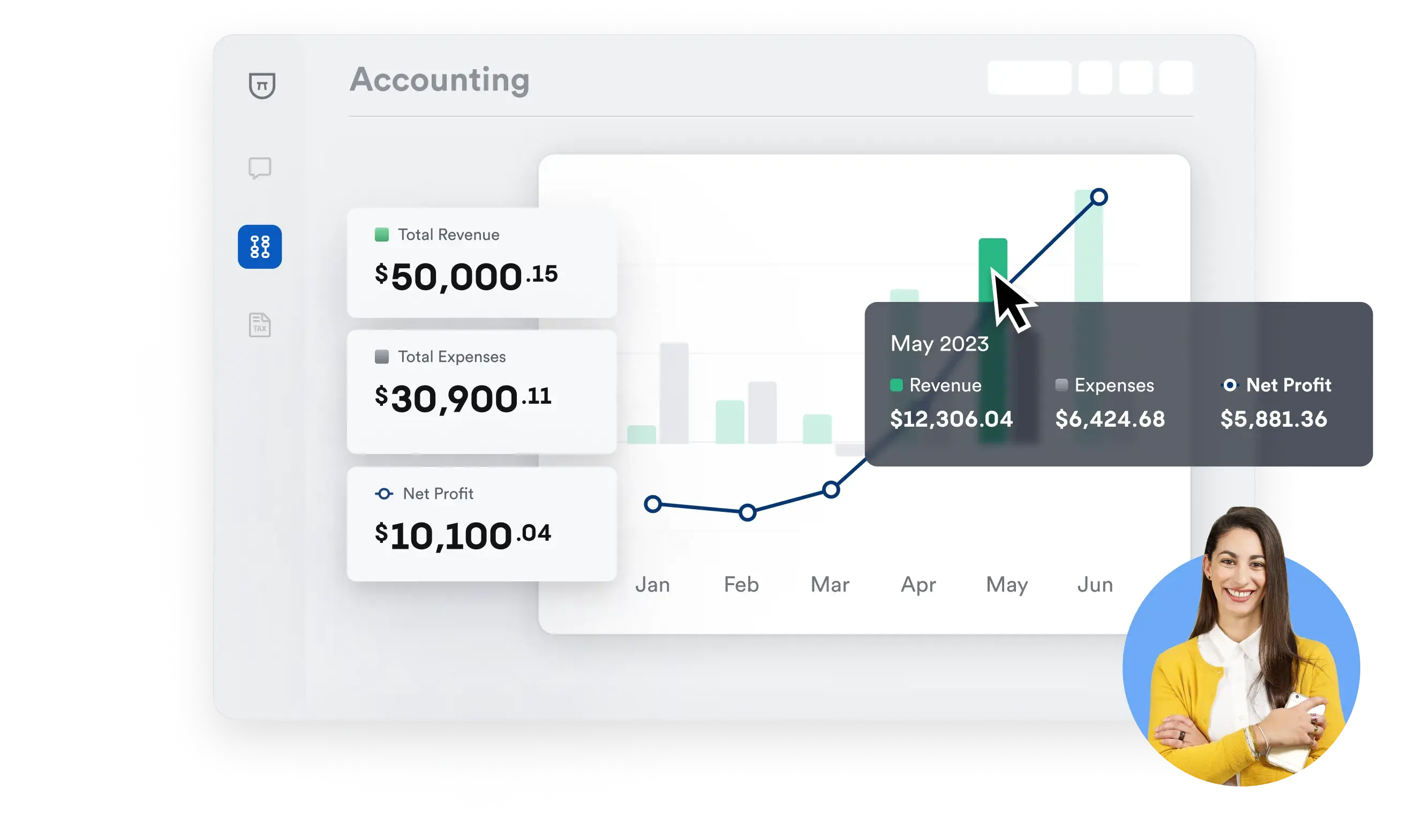
To prepare for AI-driven underwriting, farm managers need robust software to track assets and cash flow. The following tools help organize the data that lenders will analyze.


As an Amazon Associate, we may earn from qualifying purchases.
Eligibility and qualification requirements
Securing SME credit in 2026 requires more than a good credit score. Lenders now evaluate your digital footprint and data health alongside traditional financials. Preparation is 90% of the battle. To qualify, you must demonstrate consistent revenue, maintain strong financial ratios, and prove timely tax compliance.
Required documents and metrics
Lenders verify your stability through specific documentation. Prepare these items before applying:
- Duly filled loan application form
- Copy of ID/passport and PIN
- Copy of business registration certificate
- Recent utility bills for address verification
- Three years of audited financial statements
- Tax clearance certificates
Digital readiness
Your digital presence signals operational maturity. Ensure your accounting software integrates with banking APIs. Clean data reduces underwriting friction. Platforms like QuickBooks or Xero are standard for this verification.
Frequently asked questions about SME credit
Understanding the basics of agribusiness lending and government support is the first step to securing capital in 2026. Lenders now evaluate your digital footprint alongside traditional metrics, making preparation critical for approval.
No comments yet. Be the first to share your thoughts!