
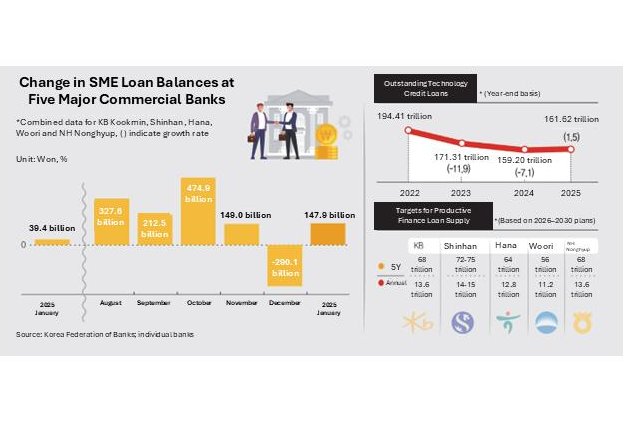
The 2026 lending landscape
The macroeconomic environment for small and medium-sized enterprises (SMEs) in 2026 is defined by a distinct divergence between traditional banking channels and emerging alternative capital sources. While central banks have stabilized interest rates, the appetite for risk among major commercial lenders has not fully returned to pre-pandemic levels. This caution has created a financing gap that traditional balance sheets are no longer willing to fill alone.
Despite a slight recovery in new lending activity, the overall stock of SME loans remains broadly stagnant. Banks are increasingly favoring low-risk, short-term transactions over long-term growth capital. For business owners, this means that relying solely on conventional bank relationships often results in slower approvals and stricter collateral requirements.
This stagnation has accelerated the adoption of alternative financing tools. From revenue-based financing to digital invoice factoring, these products offer speed and flexibility that traditional loans cannot match. As the lending landscape matures, SMEs are turning to these specialized tools to bridge the gap between immediate cash flow needs and long-term strategic goals.
AI and alternative credit scoring
Traditional bank underwriting often stalls SME applications because it relies heavily on historical tax returns and rigid credit scores. In 2026, AI-driven underwriting is replacing those slow manual reviews with real-time analysis of non-traditional data points. Lenders are now looking at cash flow patterns, invoice history, and even utility payment consistency to assess risk. This shift allows businesses with thin credit files to qualify for financing that previously seemed out of reach.
The speed of approval has improved dramatically. Where a manual review might take weeks, automated systems can process alternative data in minutes. This doesn't just mean faster funding; it means more accurate risk assessment. By analyzing a broader set of financial behaviors, lenders can offer terms that better reflect the actual health of a business rather than just its past credit history. This approach reduces the bias inherent in traditional scoring models and opens doors for growing SMEs.
However, the reliance on algorithmic decisions requires transparency. Borrowers should understand which data points are being used to make their credit decisions. Clear explanations of how AI evaluates non-traditional metrics help build trust between lenders and SMEs. As these tools become standard, the focus shifts from simply getting approved to understanding how to optimize your digital financial footprint for better terms.
Top financing platforms for 2026
The landscape for small business credit is shifting from traditional bank reliance to a mix of digital-first lenders and embedded finance tools. In 2026, speed and accessibility define the leading platforms, with many offering decisions in minutes rather than weeks. This section highlights specific platforms and tools that exemplify these trends, focusing on those that streamline the application process and provide clear eligibility criteria.
The following comparison table outlines key features of leading platforms, including approval speed and typical loan sizes. Note that specific terms vary by business profile and creditworthiness.
| Platform | Approval Speed | Typical Loan Size | Eligibility Focus |
|---|---|---|---|
| Kabbage (American Express) | Minutes | $5k-$250k | Revenue-based |
| OnDeck | 24-48 Hours | $15k-$500k | Credit score + revenue |
| Fundbox | Minutes | $15k-$150k | Accounting software integration |
| BlueVine | 24-48 Hours | $5k-$350k | Credit score + revenue |
Digital-First Lenders
Platforms like Kabbage and OnDeck have redefined speed by using automated underwriting. They analyze real-time business data, such as bank transactions and accounting software records, to make decisions. This approach reduces the need for extensive documentation, making them ideal for SMEs that need quick capital for operating expenses or inventory.
Embedded Finance Tools
Tools like Fundbox integrate directly with accounting software like QuickBooks or Xero. This integration allows for instant credit lines based on your bookkeeping data. It’s a practical solution for businesses that want to manage cash flow without separate applications for every purchase.
Traditional Banks with Digital Portals
While traditional banks are losing ground to alternative lenders, many have launched digital portals to compete. These platforms offer lower rates for established businesses with strong credit profiles. They are best suited for SMEs seeking longer-term financing or larger loan amounts, where the slower approval process is offset by better terms.
Managing Credit Applications
To prepare for these platforms, SMEs should organize their financial records. Many lenders require access to bank statements or accounting software. Tools that help manage credit applications can streamline this process, ensuring you have the necessary documentation ready when you apply.


As an Amazon Associate, we may earn from qualifying purchases.
Positioning your business for approval
Lenders are shifting away from rigid credit score thresholds toward holistic cash-flow analysis. To secure capital in 2026, SMEs must present financial data that proves stability and growth potential. This means moving beyond basic tax returns to provide real-time revenue visibility.
Strengthen your financial documentation
Banks now prioritize automated accounting records over manual spreadsheets. Ensure your books are up to date and reconcile monthly. Lenders look for consistent revenue streams and healthy profit margins. A clean financial history reduces underwriting time and increases approval odds.
Build relationships with multiple lenders
Relying on a single bank limits your options. Apply to community banks, credit unions, and online lenders simultaneously. Each institution uses different scoring models. A rejection from one lender does not mean you are uncreditworthy. Diversifying your applications increases your chances of finding the right fit.
Choose the right tools for tracking
Using the right software helps you present a professional image to lenders. Tools like QuickBooks, Xero, and FreshBooks automate invoicing and expense tracking. These platforms generate the reports lenders need to assess risk quickly. They also help you identify cash flow gaps before they become problems.


As an Amazon Associate, we may earn from qualifying purchases.
Prepare a clear business plan
A concise business plan outlines your strategy and financial projections. Include market analysis, competitive landscape, and revenue models. Lenders want to see that you understand your industry and have a plan for growth. A well-prepared plan demonstrates professionalism and reduces perceived risk.
Common questions about SME credit
Borrowing conditions for small businesses are shifting rapidly in 2026. Traditional bank loans remain tight, with OECD data showing a significant drop in long-term loan volumes. This section addresses how lenders are adapting and what alternatives are available.
How is AI changing SME credit decisions?
Lenders are increasingly using alternative data to assess risk, moving beyond simple credit scores. AI models analyze cash flow patterns and transaction history to approve loans faster. This shift helps businesses that lack extensive credit histories but show consistent revenue.
What are the main alternatives to traditional bank loans?
Peer-to-business lending and fintech platforms are filling the gap left by shrinking bank credit. These options often provide working capital or expansion funds with quicker approval times. However, interest rates can be higher than traditional bank products, so compare terms carefully.
Is it harder to get a full loan amount in 2026?
Yes. Recent metrics indicate that while many businesses apply for financing, fewer receive the full requested amount. About 36% of applicants receive partial funding, and 22% receive nothing. Smaller, targeted loan requests may have a higher success rate than large expansion bids.
No comments yet. Be the first to share your thoughts!