
The 2026 SME credit landscape
The global SME credit landscape in 2026 is defined by a stark contradiction. On one side, traditional banking remains rigid, constrained by legacy risk models that struggle to assess the cash flow of modern digital businesses. On the other, alternative data-driven lending platforms are expanding rapidly, using AI underwriting to bridge the gap where banks fall short. This shift is not just about technology; it is about access. Small and medium enterprises now have more choices than ever before, but navigating these options requires understanding the trade-offs between speed, cost, and collateral.
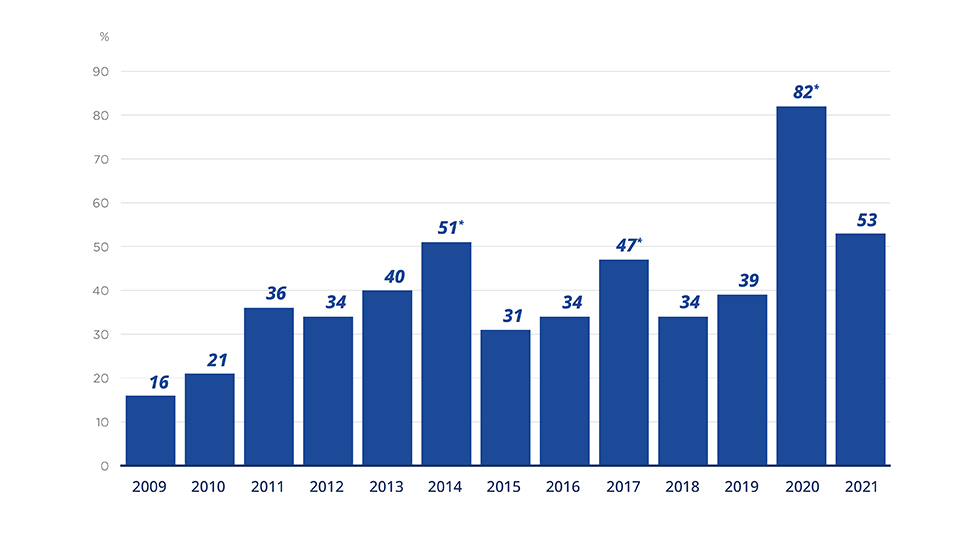
The scale of the challenge remains enormous. According to the World Bank, SMEs in emerging markets face a finance gap of $5.7 trillion, a figure that has persisted despite years of fintech innovation. This gap is not just a number; it represents missed growth, stalled innovation, and reduced competitiveness for millions of businesses. The OECD notes that sluggish growth in SME credit is weighing directly on firm liquidity, creating a bottleneck that traditional lenders are hesitant to break. While AI and alternative data are helping to fill some of this void, the structural deficit remains a defining feature of the 2026 market.
To understand where your business fits, it helps to look at the products currently shaping the market. The shift from abstract categories to concrete tools is evident in the rise of platforms that offer real-time lending decisions based on bank statement analysis, rather than just credit scores. These tools are changing how SMEs perceive credit, moving it from a quarterly hurdle to a daily operational utility. Below, we break down the specific products and platforms that are leading this charge, helping you identify which solution aligns with your immediate cash flow needs.



As an Amazon Associate, we may earn from qualifying purchases.
How AI Underwriting Reads Your Business
Traditional lending relied on a narrow set of historical data points, often leaving modern small businesses behind if their credit scores didn't match a rigid template. AI-driven underwriting flips this model by analyzing your entire digital footprint. Instead of judging your past, lenders now evaluate your current data health and real-time operational flow. This shift allows platforms to approve loans based on actual business viability rather than just static credit history.
Lenders in 2026 use machine learning to process thousands of data points that were previously ignored or inaccessible. These include transaction histories, inventory turnover rates, customer retention metrics, and even social media engagement trends. By connecting to your accounting software and banking feeds, these systems create a live snapshot of your financial health. This approach reduces the bias inherent in manual reviews and speeds up the approval process significantly.
The result is a more dynamic lending environment where cash flow matters more than collateral. Businesses with strong daily operations but thin credit files can now access capital quickly. This method is particularly effective for service-based companies and e-commerce retailers whose value lies in recurring revenue rather than physical assets.
To prepare for this type of underwriting, you need to ensure your digital records are clean and consistent. Lenders look for predictable patterns in income and expenses. Disorganized records or sudden, unexplained drops in cash flow can trigger automated rejections, even if your business is fundamentally sound. Keeping your digital house in order is now just as important as maintaining a good credit score.


As an Amazon Associate, we may earn from qualifying purchases.
RWA-backed stablecoin credit lines
Real World Asset (RWA) backed stablecoins are reshaping SME credit in 2026 by turning illiquid business assets into immediate liquidity. Instead of waiting weeks for bank underwriting, companies can now lock their physical inventory, invoices, or real estate into smart contracts. This process issues a stablecoin credit line that settles on-chain in minutes, bridging the gap between traditional finance speed and decentralized finance flexibility.
The model works by tokenizing tangible assets. A business pledges a warehouse of goods or outstanding invoices as collateral. An automated oracle verifies the asset value, and a protocol mints a stablecoin against it. This allows SMEs to access working capital without the heavy paperwork of a traditional loan. It is particularly useful for businesses with strong assets but thin cash flow, offering a faster alternative to conventional bank delays.
Several platforms are leading this shift. MakerDAO (now Sky) has integrated tokenized treasury bills and real estate into its ecosystem, allowing institutions to mint DAI against these assets. Similarly, Centrifuge enables SMEs to tokenize invoices and receivables, providing immediate cash flow while investors earn yield from the underlying real-world returns. These platforms demonstrate how RWA infrastructure can support genuine business needs beyond speculative trading.
For business owners evaluating these options, understanding the collateral requirements is essential. Unlike unsecured loans, RWA-backed credit lines require tangible backing, which can lower interest rates but introduces liquidation risks if asset values drop. It is a tool for asset-rich, cash-poor businesses looking to unlock value without selling equity or waiting for bank approval.


As an Amazon Associate, we may earn from qualifying purchases.
Top SME lending platforms compared
Choosing the right lending infrastructure depends on whether you need a turnkey loan management system or a composable core for your existing stack. HES LoanBox and Mambu lead the market for different reasons: one prioritizes rapid deployment for traditional lenders, while the other offers API-first flexibility for fintechs. Below is a direct comparison of their core capabilities to help you decide which fits your operational model.
| Platform | Core Type | Deployment Speed | Best For |
|---|---|---|---|
| HES LoanBox | SaaS Loan Management | Days to weeks | Banks and credit unions needing quick compliance |
| Mambu | Cloud Core Banking | Months (integration required) | Fintechs and neobanks building custom flows |
| QUALCO | Loan Origination System | Weeks | Mid-sized lenders with complex underwriting |
HES LoanBox stands out for institutions that need to digitize existing loan processes without rebuilding their tech stack. It handles the full lifecycle from application to disbursement, making it ideal for traditional banks that need to meet 2026 compliance standards quickly. Mambu, by contrast, is a cloud-native core that allows developers to build unique lending products. It is less about "out-of-the-box" lending and more about providing the engine for your own custom underwriting logic.
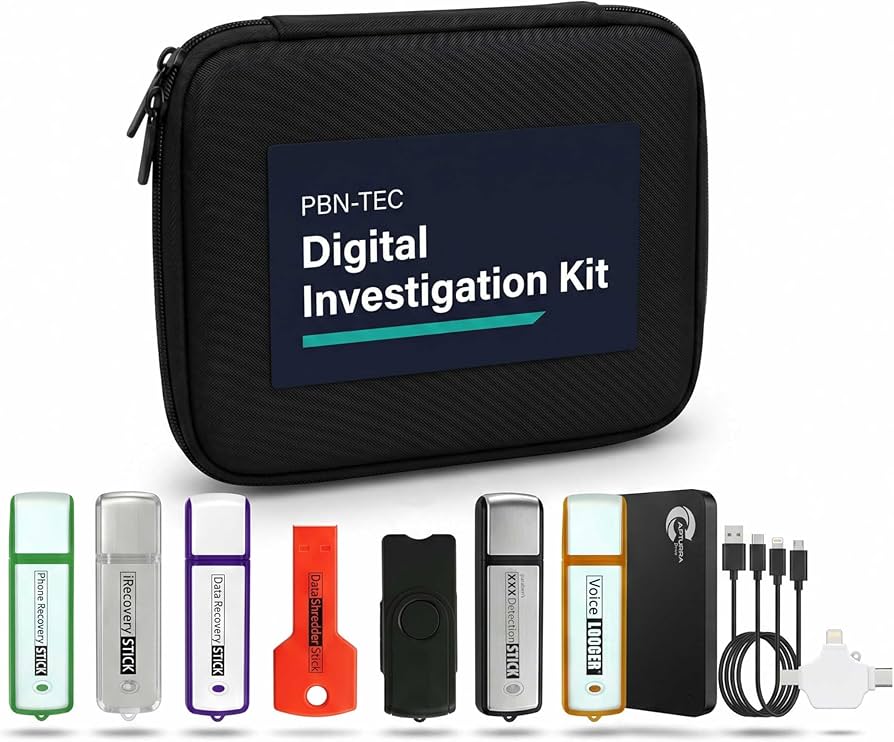
If you are building a new lending product from scratch, you will likely need software to manage the digital workflow. The right tools can streamline everything from document collection to risk assessment.

As an Amazon Associate, we may earn from qualifying purchases.
Who qualifies for SME credit in 2026
Lenders in 2026 have shifted from rigid credit-score checks to dynamic data health assessments. To qualify for SME loan products, you generally need a minimum annual turnover that demonstrates repayment capacity and operational continuity. Most platforms require the primary applicant to be between 21 and 65 years old, with the business itself often needing to be registered for at least one to two years.
Beyond basic demographics, AI underwriting engines scrutinize your digital footprint. This includes your GST filing consistency, bank statement velocity, and even social media presence for some fintech lenders. A clean digital record signals stability, while messy or inconsistent data triggers automatic rejections.
Application tips for faster approval
Securing credit now requires more than just filling out a form. You must aggregate your financial documents—bank statements, tax returns, and invoices—into a single, accessible digital folder. Lenders prefer platforms that allow instant API access to your accounting software (like Xero or QuickBooks) to verify data in real time.
When comparing options, look for platforms that offer pre-qualification without a hard credit pull. This lets you gauge eligibility without impacting your score. Focus on lenders that explicitly state their data requirements upfront, as transparency often correlates with faster decision times.


As an Amazon Associate, we may earn from qualifying purchases.
Frequently asked questions about SME credit 2026
What is the SME subsidy 2026?
In Malaysia, the SME Digitalisation Grant 2026 provides up to RM5,000 in matching funds for eligible businesses purchasing digital tools and equipment. This subsidy helps small and medium-sized enterprises offset the costs of upgrading their operational technology.
Who is eligible for an SME loan?
Lenders typically require applicants to be between 21 and 65 years old with a minimum business turnover to prove repayment capacity. Banks also evaluate your digital footprint and data health, meaning clean financial records and consistent operational continuity are now standard requirements for approval.
Which bank is best for SME lending?
For MSME loans in India, major lenders like State Bank of India (SBI), ICICI Bank, and HDFC Bank are widely preferred due to their extensive reach and tailored financial products. The best choice depends on your specific industry needs, but these institutions consistently offer competitive rates and streamlined digital application processes for small businesses.
No comments yet. Be the first to share your thoughts!