
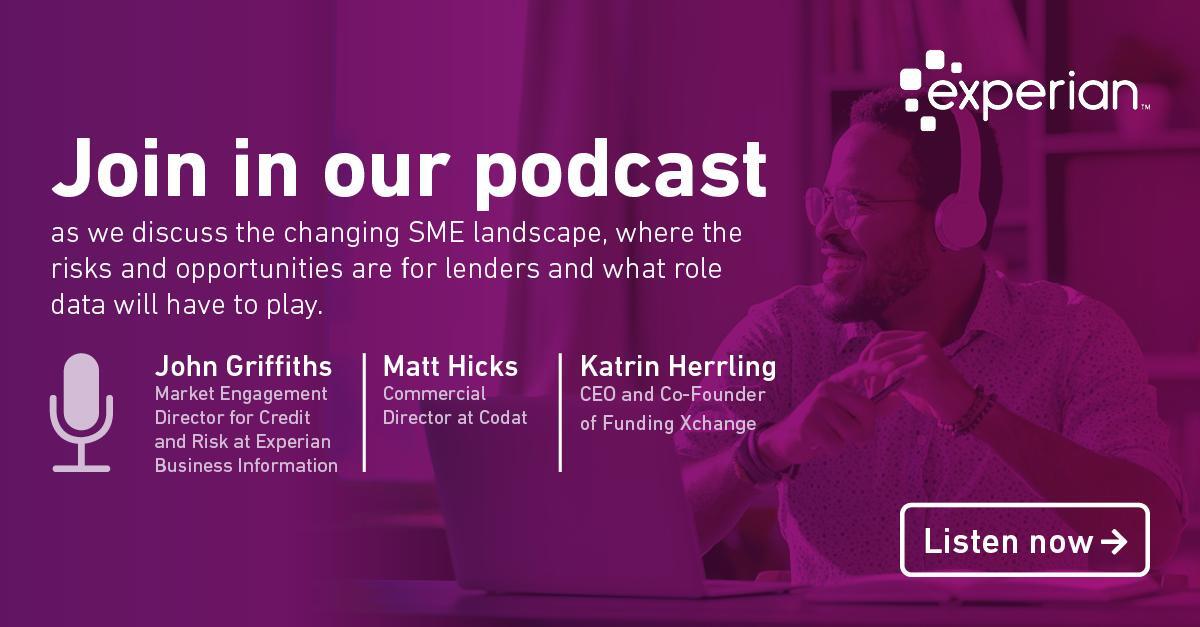
SME credit is shifting in 2026
The landscape of SME credit in 2026 is defined by a move away from rigid, traditional bank loans toward faster, AI-driven alternative lending solutions. While the World Bank notes a persistent $5.7 trillion finance gap in emerging markets, the tools available to bridge it are evolving rapidly. Businesses are no longer waiting weeks for approval; they are accessing capital in days, or even hours, through digital-first platforms.
This shift is driven by the need for flexibility. As Valiant Finance observes, SMEs in 2026 are prioritizing working capital that adapts to their cash flow rather than fixed-term loans that may not align with their operational cycles. Lines of credit and revenue-based financing are becoming standard, allowing companies to scale up during peak seasons without the burden of long-term debt.
AI underwriting is the engine behind this change. Lenders now use real-time data—such as bank statements, invoice history, and even social media metrics—to assess creditworthiness. This reduces the reliance on collateral and credit scores alone, opening doors for businesses that traditional banks might overlook. The result is a more dynamic credit market where speed and adaptability matter more than static financial history.
Top 5 SME lending platforms to consider
The SME credit landscape in 2026 is defined by speed and flexibility. Businesses no longer wait weeks for traditional bank approvals; they turn to platforms that use automated data sources to deliver capital quickly. The following platforms represent the leading options for SMEs seeking flexible working capital.
HES LoanBox
HES LoanBox serves as a comprehensive lending engine for financial institutions. It allows banks and credit unions to launch digital lending products rapidly. For SMEs, this means access to streamlined application processes and faster decisions from their existing or new banking partners.
Mambu
Mambu provides a cloud-native core banking system that powers many modern fintechs. Its API-first architecture enables lenders to offer highly customized SME credit products. This platform is ideal for businesses that need flexible, scalable lending solutions that integrate directly with their operational software.
QUALCO Loan Manager
QUALCO Loan Manager focuses on automating the loan origination and servicing lifecycle. It is particularly useful for credit unions and community banks looking to digitize their SME lending. The platform reduces manual paperwork, allowing for quicker turnaround times on business credit applications.
American Express Business Blueprint
American Express Business Blueprint offers a hybrid approach, combining traditional credit with modern digital tools. It provides SMEs with access to capital through flexible credit lines and tailored business solutions. This platform is best for businesses that value the brand trust and extensive ecosystem of American Express.
Comparison of Top SME Lending Platforms
The table below compares the top platforms on key metrics: approval speed, data sources used, and target business size.
| Platform | Approval Speed | Data Sources | Target Size |
|---|---|---|---|
| HES LoanBox | Fast | Banking data | All SMEs |
| Mambu | Very Fast | API integrations | All SMEs |
| QUALCO Loan Manager | Moderate | Internal records | Small to Medium |
| Amex Business Blueprint | Fast | Amex history | Small to Medium |
AI underwriting replaces the annual review
Traditional SME credit relied on backward-looking metrics: tax returns, audited financial statements, and credit bureau scores that often lag real-time business health. In 2026, platforms like HES LoanBox and Mambu have shifted this paradigm by ingesting alternative data streams. Instead of waiting for quarterly reports, lenders now analyze cash flow patterns, invoice history, and even point-of-sale transaction velocity to assess risk.
This shift allows for speed and precision that manual underwriting cannot match. By processing thousands of data points in seconds, AI models can identify subtle risk indicators that human analysts might miss, such as a sudden dip in daily sales volume or irregular payment cycles. This capability is particularly valuable for small businesses that may have thin credit files but strong operational fundamentals.
The result is a lending environment where capital is allocated based on actual performance rather than historical reputation. For SMEs, this means faster access to flexible working capital, with approval decisions often completed in minutes rather than weeks. As noted in recent industry analyses, this move toward real-time assessment is redefining how small businesses secure the funds they need to grow.
![QuickBooks Desktop Pro 2018 Small Business Accounting Software [PC Download]](https://m.media-amazon.com/images/I/81k2JgfN6nL._AC_UY654_QL65_.jpg)


As an Amazon Associate, we may earn from qualifying purchases.
Choosing the right credit line for your needs
Selecting the right SME credit 2026 platform depends on matching your business stage to the lender’s structure. Early-stage startups often need speed and lower collateral requirements, while established firms may prioritize lower interest rates for larger working capital needs.
For rapid expansion, platforms like Kabbage (now Amex) and OnDeck provide quick access to revolving lines of credit, though costs can be higher. If you need longer-term stability, consider traditional banks or credit unions for term loans with fixed rates. Always compare the annual percentage rate (APR) and any hidden fees, as these significantly impact your bottom line over time.
Frequently asked questions about SME credit 2026
What is the SME limit in the EU?
The European Union defines an SME as an independent enterprise with fewer than 250 employees. To qualify, the company must also have an annual turnover not exceeding €50 million or a balance sheet total not exceeding €43 million. Small enterprises are a subset of this, capped at 50 employees.
What is the maximum tenure for SME term credit?
Term loans for SMEs typically offer flexible repayment periods. Most platforms allow tenures ranging from one year up to 15 years for capital expansion or new industry establishment. Shorter working capital loans usually have a maximum tenure of one year to address immediate liquidity needs.
Which is bigger, SME or MSME?
MSME stands for Micro, Small, and Medium Enterprise, encompassing a broader range of business sizes than SME alone. Within the MSME classification, micro-enterprises are the smallest, followed by small enterprises, and then medium enterprises. Therefore, SME refers only to the small and medium segments, while MSME includes the micro tier as well.
No comments yet. Be the first to share your thoughts!