

The 2026 SME credit landscape
Traditional SME lending has stalled. According to the OECD's 2026 report, while new lending activity is showing signs of recovery, the overall stock of SME loans remains broadly stagnant. This sluggish growth reflects a structural disconnect: banks are tightening criteria in response to economic uncertainty, leaving many viable businesses without access to capital.
The scale of this disconnect is evident in emerging markets, where SMEs face a financing gap of US$5.7 trillion across 119 economies. This gap stifles innovation and job creation, particularly for women-led enterprises. As traditional banks retreat, alternative lending platforms have stepped in to fill the void, offering faster, more flexible solutions.
AI-driven underwriting is the primary driver of this shift. Unlike traditional models that rely heavily on historical credit scores and static financial statements, AI platforms analyze real-time data streams, including cash flow patterns, transaction history, and even digital footprints. This allows for more accurate risk assessment and faster approval times, making capital accessible to businesses that would otherwise be excluded.
AI underwriting vs traditional scoring
The foundation of SME credit is shifting from retrospective validation to real-time predictive analysis. Traditional lending relies on static historical data—primarily credit scores and annual financial statements—to assess repayment capacity. While these metrics provide a baseline for stability, they often fail to capture the operational reality of small businesses, particularly those with irregular cash flows or limited credit history. As noted by the SME Finance Forum, managing credit risk has become a daily operational challenge for financial institutions, necessitating a move beyond legacy scoring models.
AI-driven underwriting addresses these gaps by ingesting dynamic digital footprints, including real-time bank transaction data, e-commerce sales volumes, and utility payment histories. This approach allows lenders to evaluate a business's current health rather than its past performance. According to OECD and World Bank reports on financial inclusion, this shift significantly expands access to capital for underserved SMEs by reducing the reliance on rigid collateral requirements. The technology analyzes thousands of data points to generate a risk profile that updates continuously, offering a more accurate reflection of a borrower's ability to repay.
| Feature | Traditional Lending | AI-Driven Underwriting |
|---|---|---|
| Primary Data Sources | Credit scores, tax returns, balance sheets | Bank statements, POS data, API integrations |
| Decision Speed | Weeks to months | Minutes to days |
| Risk Assessment | Static, historical snapshot | Dynamic, real-time cash flow analysis |
| Approval Focus | Collateral and past credit history | Operational continuity and revenue trends |
| Data Granularity | Low (quarterly/annual) | High (daily/transactional) |
This technical distinction changes the nature of the lending relationship. Instead of a periodic review, AI systems monitor performance continuously, allowing for more flexible lending products such as revenue-based financing. Platforms like Kabbage and OnDeck have pioneered this model by using automated algorithms to approve loans based on real-time business metrics. This contrasts with traditional banks, which often maintain manual underwriting processes that are slower and more prone to human bias. The result is a more responsive credit ecosystem that aligns funding availability with the actual operational rhythm of the SME.
Top platforms for digital SME lending
The landscape for small and medium enterprise credit has shifted from relationship-based banking to algorithm-driven platforms. In 2026, leading fintech solutions prioritize speed and alternative data analysis, allowing businesses with thin credit files to access capital. This section compares the most prominent platforms, highlighting their technical distinctions and ideal use cases.
Kabbage (American Express)
Kabbage, now integrated into American Express, remains a staple for automated small business lines of credit. The platform uses an open banking approach, connecting directly to a business’s bank accounts, accounting software, and e-commerce platforms to assess cash flow in real time. This reduces the reliance on static credit scores.
Best for: Businesses needing flexible working capital and a revolving line of credit rather than a lump sum.
OnDeck
OnDeck has evolved from a pure online lender to a broader financial services provider, though its core appeal remains its rapid underwriting. The platform leverages machine learning to analyze transaction history and business performance metrics. It is known for providing decisions within hours and funding the next business day, a significant advantage for time-sensitive operational needs.
Best for: Urgent funding requirements and businesses that can benefit from fixed-term installment loans.
Funding Circle
Funding Circle operates as a marketplace lending platform, connecting small businesses with institutional investors. This model often results in competitive interest rates compared to traditional banks, particularly for borrowers with established credit histories. The platform provides a transparent process where borrowers can receive multiple offers from different investors, fostering a competitive environment.
Best for: Established SMEs seeking lower interest rates through investor competition.
BlueVine
BlueVine specializes in two primary products: business lines of credit and invoice factoring. Its line of credit can reach up to $250,000, with no prepayment penalties or monthly fees if the line is not used. The invoice factoring service allows businesses to unlock cash tied up in unpaid invoices, improving liquidity without taking on additional debt.
Best for: Businesses managing cash flow gaps due to slow-paying clients or those seeking fee-free credit lines.
Lendio
Lendio functions as a loan marketplace rather than a direct lender. It aggregates offers from over 75 lending partners, including banks, credit unions, and online lenders. By submitting one application, borrowers are matched with multiple potential lenders. This increases the likelihood of approval and allows for easy comparison of terms across different financial institutions.
Best for: Borrowers who want to compare multiple offers simultaneously and maximize their chances of approval.
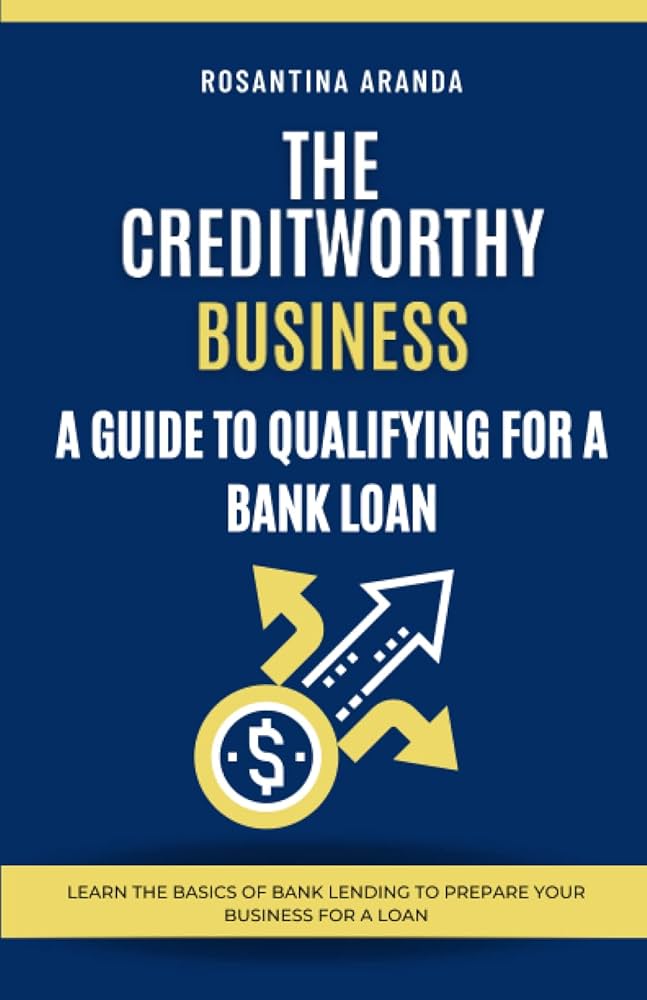

As an Amazon Associate, we may earn from qualifying purchases.
Eligibility and qualification criteria
Securing an SME loan in 2026 requires meeting specific financial and operational benchmarks that lenders use to assess risk. While AI underwriting platforms can process data faster than traditional banks, the fundamental qualification criteria remain grounded in verifiable financial health and legal standing.
Lenders primarily evaluate two factors: turnover and age. Most institutions require a minimum annual turnover to ensure the business has sufficient cash flow for repayment. Additionally, the primary applicant typically must be between 21 and 65 years old, a range that balances working capital potential with retirement proximity.
Beyond financial metrics, documentation is non-negotiable. You will need a completed application form, government-issued identification, and proof of business registration. Utility bills or bank statements often serve as secondary proof of operational continuity. Being prepared with these documents reduces friction and speeds up the initial screening phase.
Frequently asked questions about SME credit
What is the SME subsidy 2026?
Several national programs, such as Malaysia’s 2026 Budget initiative, provide matching funds to help small businesses adopt digital tools. These grants, often capping at RM5,000, aim to improve productivity by subsidizing software and equipment. According to the OECD, while new lending is recovering, overall SME loan stocks remain stagnant, making these targeted subsidies critical for maintaining operational continuity during the transition to AI-driven underwriting.
Who is eligible for an SME loan?
Eligibility typically hinges on financial health and applicant age. Lenders generally require a minimum annual turnover to verify repayment capacity and demand that the primary applicant be between 21 and 65 years old. While traditional banks focus heavily on credit scores, alternative platforms often use cash flow data, allowing younger or less-established businesses to qualify based on real-time operational metrics rather than historical collateral.
How to qualify for an SME loan?
Qualification requires submitting specific documentation to prove identity and business legitimacy. Standard requirements include a completed application form, a valid ID or passport, a business registration certificate, and recent utility bills. AI underwriting platforms streamline this by digitizing these inputs, allowing for faster approvals compared to the manual verification processes used by traditional lenders.
No comments yet. Be the first to share your thoughts!