
The 2026 SME credit landscape
The foundation of small business finance in 2026 is defined by data transparency and algorithmic precision. The OECD’s Financing SMEs and Entrepreneurs 2026 Scoreboard, which covers 48 countries, reveals a sector where access to capital is no longer the primary bottleneck. Instead, the challenge has shifted to building lender confidence through verifiable, real-time business signals. Traditional credit scores, which rely heavily on historical financial statements, are increasingly insufficient for assessing the viability of modern SMEs.
This shift is driven by the integration of alternative data sources. Lenders now analyze cash flow patterns, supply chain reliability, and digital transaction histories to underwrite loans. This move from static collateral to dynamic performance metrics allows for faster, more accurate credit decisions. The result is a market where credit is allocated based on actual operational health rather than past debt obligations.
The macroeconomic environment further complicates this transition. Interest rate volatility and regulatory changes require lenders to adapt their risk models continuously. As a result, SMEs that maintain clear, auditable financial records gain a competitive advantage. They can demonstrate their stability more effectively, leading to better terms and faster approvals. The 2026 landscape rewards transparency and operational clarity.
The OECD data underscores a critical trend: SMEs that leverage digital financial tools are better positioned to navigate this new credit environment. By providing lenders with a clearer picture of their financial health, these businesses can secure the funding needed to grow. The era of opaque SME financing is ending, replaced by a system built on data-driven confidence.
AI underwriting for small business
Traditional underwriting relies heavily on static metrics like credit scores and collateral, which often exclude viable small businesses. AI-driven underwriting replaces this rigid framework with dynamic, cash-flow-based models. By analyzing real-time transaction data, these systems assess risk more accurately than historical snapshots ever could.
This shift changes the question from "Does the business have assets?" to "Can the business generate revenue?". Lenders can now evaluate a shop’s daily sales or a service provider’s recurring contracts to determine creditworthiness. This approach reduces bias and expands access to capital for firms that are cash-rich but balance-sheet-poor.
The biggest shift in 2026 SME lending isn't about access; it's about confidence. Businesses that struggle with credit often do so because traditional models misinterpret their cash flow patterns as risk rather than opportunity.
The speed of decision-making is the other major advantage. While manual underwriting can take weeks, AI systems can approve or reject applications in minutes. This immediacy allows small business owners to seize opportunities—like bulk inventory discounts or urgent equipment repairs—without missing the window. For the SME lender, this speed also reduces operational costs, enabling them to service smaller loan sizes profitably.
RWA stablecoin lines of credit
In 2026, Real World Asset (RWA)-backed stablecoin credit lines are emerging as a distinct financing channel for SMEs. These instruments allow businesses to borrow against tokenized invoices, inventory, or real estate, settling debt in stablecoins rather than fiat currency.
This model bridges traditional asset value with the speed of blockchain settlement. By locking RWA in a smart contract, SMEs can access liquidity without the lengthy underwriting cycles typical of conventional bank loans.
Comparison of lending channels
The following table contrasts traditional SME financing with RWA-backed stablecoin credit lines across key metrics.
| Metric | Traditional SME Loan | RWA Stablecoin Line |
|---|---|---|
| Approval Time | 2–8 weeks | 24–72 hours |
| Settlement | Fiat wire (3–5 days) | On-chain (instant) |
| Collateral Type | Cash flow, personal guarantee | Tokenized RWA (invoices, inventory) |
| Access | Bank-dependent, high friction | Protocol-based, global access |
| Cost | Variable APR, hidden fees | Protocol fees, gas costs |
Traditional loans rely heavily on historical credit data and personal guarantees. RWA lines prioritize the underlying asset’s liquidity. This shift enables SMEs in emerging markets to leverage local assets for global liquidity, a trend accelerated by AI-ready data room standards that shorten approval timelines.
While stablecoin lending offers speed, it introduces smart contract risk and regulatory uncertainty. SMEs must weigh the efficiency gains against the technical complexity of managing on-chain collateral.
Embedded Finance and Global Reach
The boundary between banking and software is dissolving. In 2026, embedded finance allows non-financial platforms to offer credit directly within their workflows. For an SME, this means a logistics provider can approve a working capital line based on real-time shipment data, or a SaaS platform can offer revenue-based financing tied directly to subscription metrics. This shift moves credit from a periodic application to a continuous, data-driven utility.
This integration is particularly transformative in emerging markets, where traditional banking infrastructure often lags behind digital adoption. As noted in recent analyses of SME capital raising, the standard for approval is shifting toward AI-ready data rooms. These digital frameworks allow SMEs to present verifiable, structured financial data to Development Finance Institutions (DFIs) and private lenders, significantly shortening approval timelines that previously stretched over months.
The result is a more fluid global credit market. Liquidity is no longer confined by geographic branch networks but is instead routed through APIs that connect borrower data with lender algorithms. This efficiency helps bridge the gap for SMEs in regions where access to capital has historically been constrained by information asymmetry.
Navigating credit risk in 2026
By 2026, access to credit is no longer the primary bottleneck for small and medium enterprises (SMEs); confidence is. Lenders and borrowers alike must navigate a landscape where AI underwriting and stablecoin lending intersect with strict regulatory expectations. Managing risk now requires a proactive approach to data hygiene and compliance rather than reactive fixes.
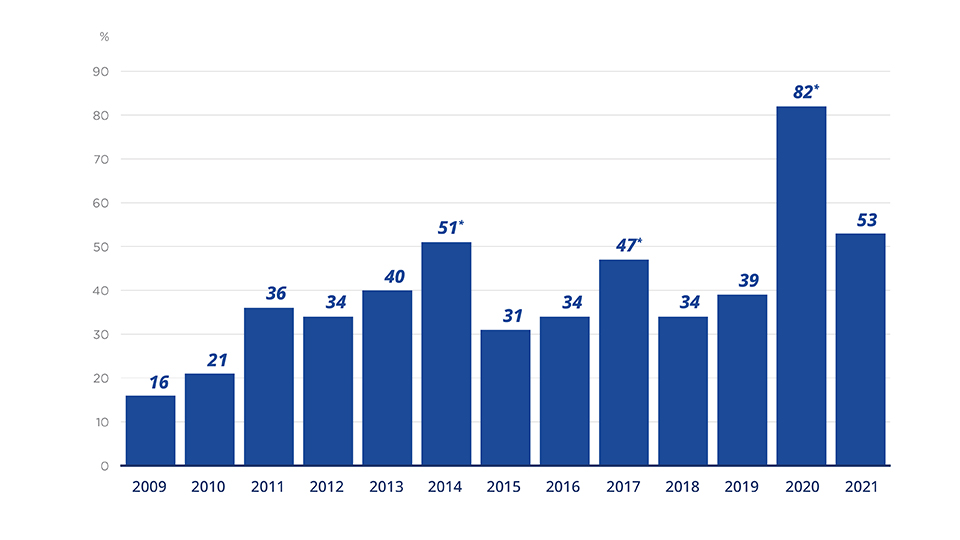
AI models rely on clean, structured data. Before applying for credit, SMEs should ensure their financial records, cash flow statements, and operational metrics are digitized and consistent. Lenders use these signals to assess viability, so fragmented or manual records increase perceived risk and delay approvals.
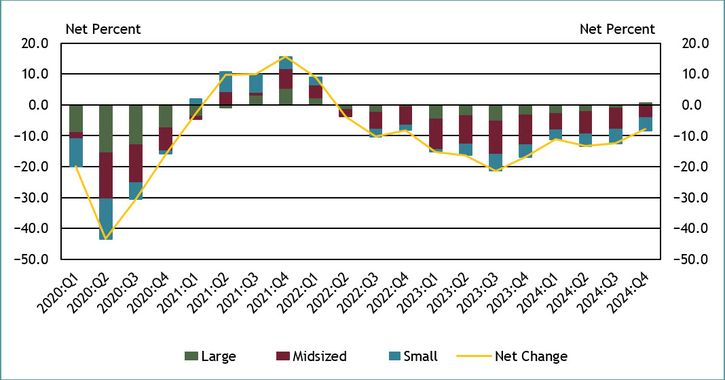
Regulatory scrutiny around automated underwriting and digital assets is intensifying. SMEs should verify that their lenders adhere to local data privacy laws and know-your-customer (KYC) standards. For stablecoin loans, understanding the legal status of the underlying asset in your jurisdiction is essential to avoid sudden regulatory disruptions.

Relying on a single lender or currency creates vulnerability. SMEs should evaluate a mix of traditional bank lines, fintech platforms, and stablecoin-based credit facilities. This diversification hedges against shifts in lender appetite or technology-specific risks, ensuring continuous access to capital.
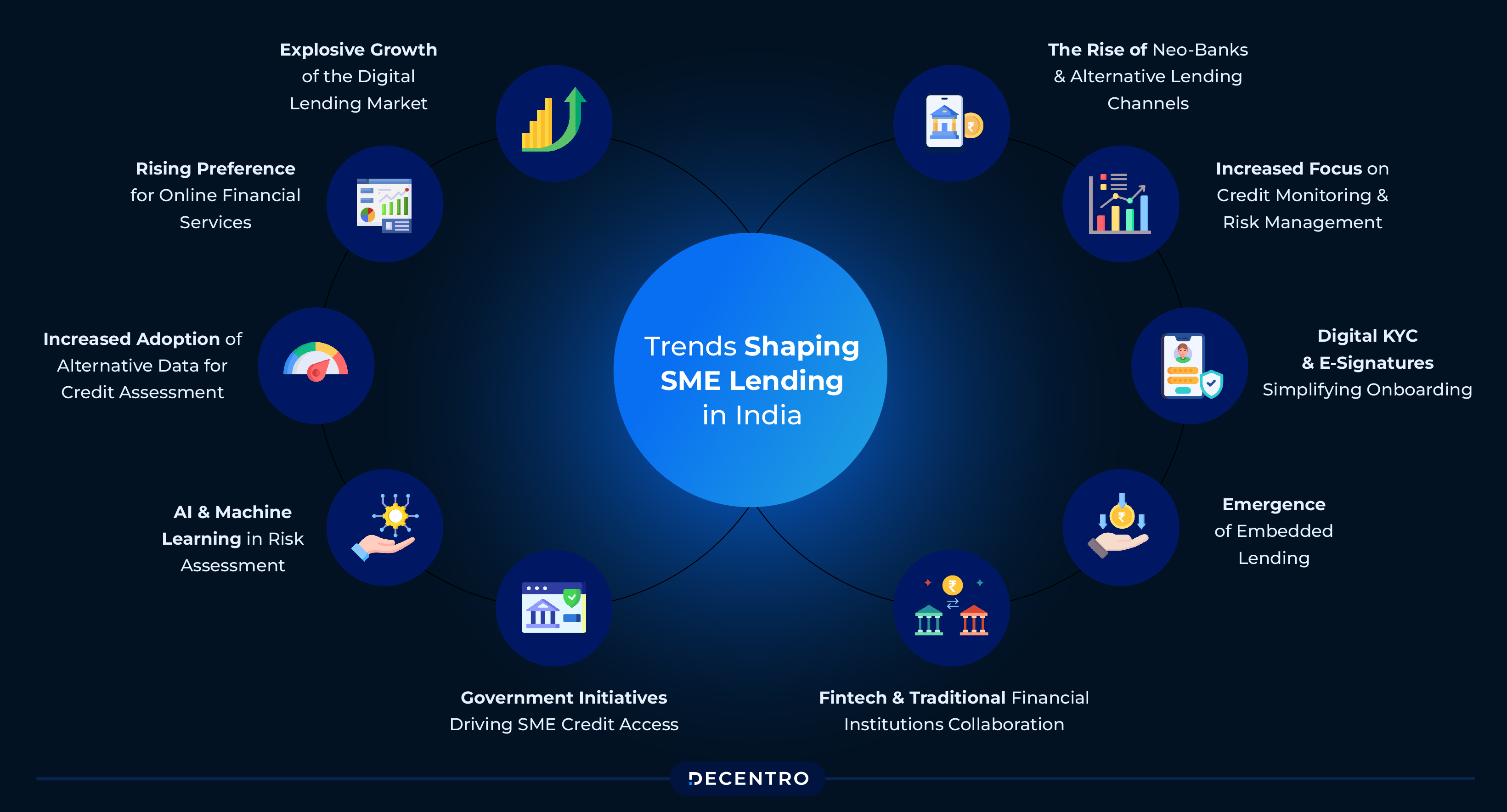
Lenders increasingly use AI to adjust credit limits and interest rates in real time. SMEs should monitor how their financial behavior affects these automated decisions. Maintaining healthy debt-to-income ratios and timely payment histories helps keep these algorithmic signals positive, preserving borrowing power.
The shift toward confidence-driven lending means that transparency is your strongest asset. By treating data as a strategic resource and staying compliant, SMEs can secure better terms and build lasting relationships with both traditional and digital lenders.
No comments yet. Be the first to share your thoughts!