
Small and medium-sized enterprises engaging in international trade grapple with a stubborn financing gap estimated at trillions globally. Delayed payments, volatile currencies, and rigid bank requirements stifle growth. RWA-backed EURC lines of credit emerge as a measured counterpoint, leveraging Circle's euro-pegged stablecoin at its current price of $1.18 to deliver predictable funding secured by tokenized assets. This approach sidesteps crypto's wild swings while tapping blockchain efficiency, a conservative pivot I advocate after years in risk management.
EURC Stablecoin: MiCA-Compliant Backbone for SME Trade Finance
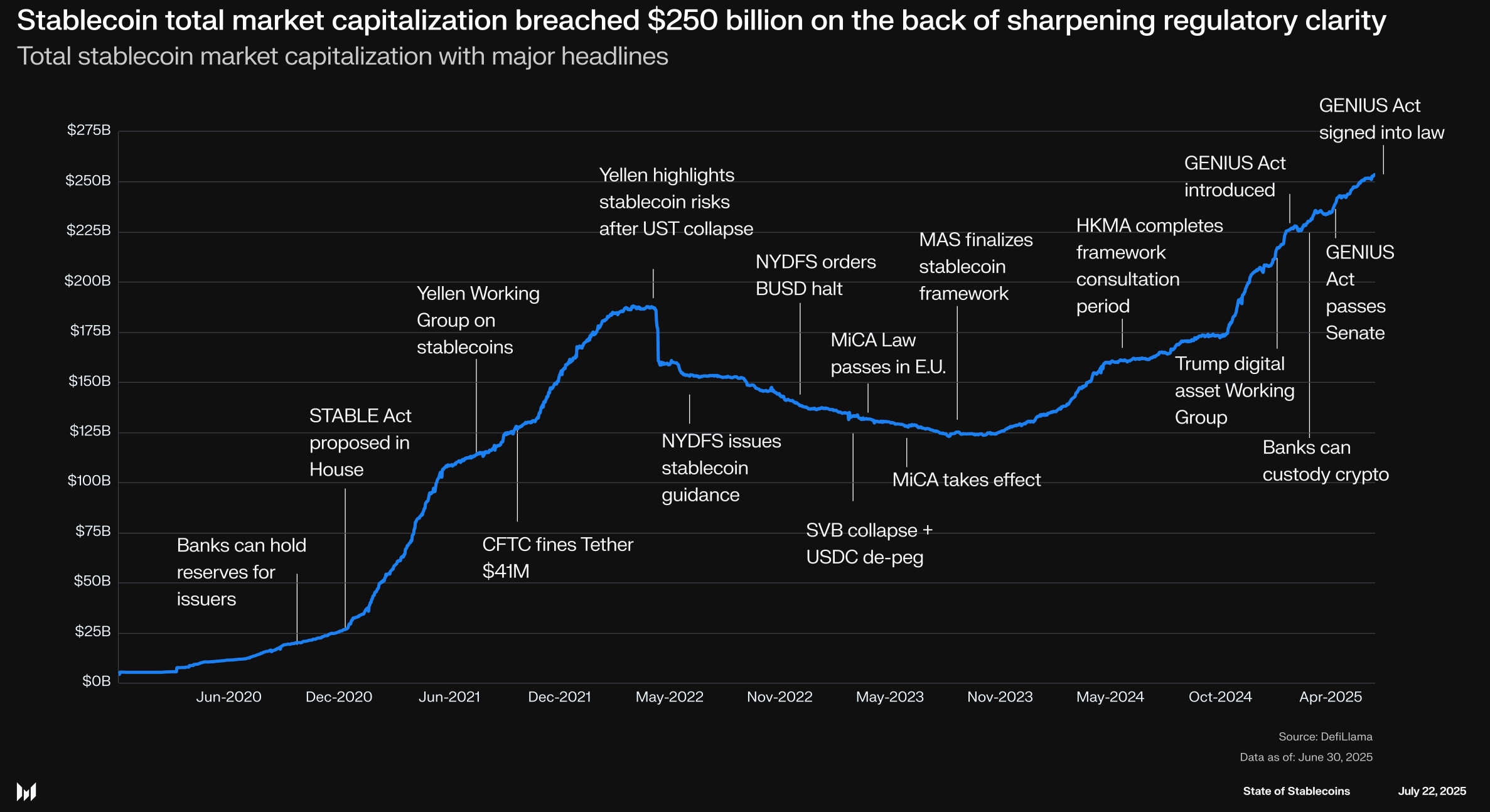
EURC stands out as Circle's regulated euro stablecoin, redeemable 1: 1 for euros held in supervised institutions. Available on Ethereum, Avalanche, Solana, and Stellar, it facilitates seamless cross-border flows without the friction of legacy rails. At $1.18 today, with negligible 24-hour volatility, EURC maintains its peg amid broader stablecoin expansion; fiat-backed variants swelled by $97 billion last year per CoinGecko's 2025 RWA report.
MiCA's full rollout in late 2025 has legitimized such instruments, mandating reserves and transparency that align with prudent lending. For SMEs, this means lines of credit disbursed in EURC, collateralized by RWAs like tokenized invoices or inventory. Banks can offload risk via trade credit insurance, trimming risk-weighted assets and unlocking capital - a classic maturity transformation seen in protocols like Aave, but now RWA-anchored.
From my vantage, this isn't hype; it's a risk-mitigated evolution. Stablecoins like EURC eliminate FX headaches in B2B payments, as Citigroup's 2030 outlook highlights for SME financing. Yet caution prevails: liquidity pools must be vetted, and over-reliance on any chain invites smart contract perils.
Tokenizing SME Trade Credit: RWA Breakthrough Reshapes Lending
SME trade credit tokenization marks a pivotal shift, transforming illiquid receivables into investable RWAs. Platforms like Fatra Protocol pioneer this, structuring credits transparently for institutional appetite. Imagine an exporter's invoice tokenized as collateral for an EURC LOC at $1.18 equivalent - instant liquidity without discounting agony.
PeerHive's analysis pegs a $2 trillion opportunity in stablecoin SME lending, slashing exchange risks with on-chain disbursement. This resonates with ICC guidelines promoting secure global trade access. For lenders, unfunded protection policies optimize balance sheets; for borrowers, it's growth fuel minus volatility tax.
I've long championed conservative RWA backing - euros in vaults beat algorithmic gambles. EURC's multi-chain footprint extends DeFi's reach to trade desks, but success hinges on oracle reliability and legal wrappers. Early adopters report 24-hour funding cycles, dwarfing bank timelines.
Stablecoin LOCs Empower Global Trade for SMEs
RWA-backed EURC lines target the core SME pain: working capital droughts in cross-border deals. Stablecoins reshape this, per e27 insights, with Circle and peers streamlining FX. Disburse in EURC at $1.18, repay via automated smart contracts - costs plummet, speed soars.
EURC Price Prediction 2027-2032
Forecasting stability around $1.18 peg driven by RWA-backed SME trade finance and MiCA regulations
| Year | Minimum Price (USD) | Average Price (USD) | Maximum Price (USD) |
|---|---|---|---|
| 2027 | $1.14 | $1.18 | $1.22 |
| 2028 | $1.15 | $1.19 | $1.24 |
| 2029 | $1.13 | $1.20 | $1.26 |
| 2030 | $1.16 | $1.21 | $1.28 |
| 2031 | $1.17 | $1.22 | $1.30 |
| 2032 | $1.18 | $1.23 | $1.32 |
Price Prediction Summary
EURC is projected to exhibit strong price stability around its $1.18 baseline through 2032, with average prices gradually rising to $1.23 amid increased adoption in RWA tokenization for SME international trade finance. Minimum prices reflect potential short-term depegs or EUR weakening (bearish scenarios), while maximums account for demand premiums from regulatory clarity and DeFi integration (bullish outlook). Overall YoY average growth ~2-3%, aligned with stablecoin maturity and market cycles.
Key Factors Affecting EURC Price
- MiCA regulations boosting RWA tokenization and institutional adoption
- RWA-backed EURC lines of credit addressing $2T SME trade finance gap
- Eurozone economic stability and EUR/USD exchange rate fluctuations
- Growing use in DeFi, cross-border payments, and B2B settlements
- Competition from USDT/USDC and potential depeg risks in bear markets
- Technological advancements on Ethereum, Solana, and Avalanche for scalability
Disclaimer: Cryptocurrency price predictions are speculative and based on current market analysis. Actual prices may vary significantly due to market volatility, regulatory changes, and other factors. Always do your own research before making investment decisions.
International trade thrives on predictability; EURC delivers, backed by regulated reserves. SMEs in emerging markets gain parity, financing imports without USD dominance. Yet, as an FRM holder, I stress due diligence: assess collateral oracles, chain uptime, and redemption proofs rigorously.
Tokenized bonds and stablecoin deposits fuel this ecosystem, per SSRN research. Banks lend long against short-term EURC inflows, amplifying SME access. The result? Enhanced competitiveness, with risks managed through diversified RWA pools. This isn't revolution for revolution's sake; it's targeted empowerment.
Consider a mid-sized exporter in Italy facing a 90-day payment delay from a German buyer. Traditional banks demand collateral they lack, while FX fluctuations erode margins. Enter an RWA-backed EURC line of credit: the invoice tokenizes on-chain, securing EURC disbursement at $1.18 equivalent within hours. Repayment automates upon buyer settlement, with trade credit insurance shielding lenders.
Key Advantages: Why SMEs Choose RWA-Backed EURC LOCs
This model excels in speed and stability. Where banks deliberate weeks, blockchain settles trades in minutes. EURC's MiCA compliance assures reserves, critical for risk-averse SMEs navigating international trade finance. Tokenized RWAs unlock liquidity from dormant assets, turning receivables into immediate working capital without predatory discounts.
5 Key Advantages for SMEs
- Lightning-Fast Processing: Blockchain enables near-instant approval and disbursement, contrasting traditional weeks-long delays in trade finance.

- Price Stability at $1.18: EURC maintains a steady peg to the euro, backed 1:1 by reserves, minimizing volatility risks for SMEs.
- Reduced Costs: Lower fees from fewer intermediaries and efficient on-chain transactions compared to conventional banking.
- FX Risk Hedge: Eliminates foreign exchange fluctuations, ensuring predictable euro-denominated financing for cross-border trade.
- MiCA Compliance: Fully aligned with EU regulations, providing regulatory clarity and security for institutional adoption.

Costs drop dramatically too; stablecoin rails bypass SWIFT fees and intermediaries. PeerHive notes instant disbursement slashes expenses by up to 80%, vital for thin-margin exporters. Yet, I urge measured adoption: integrate with legacy ERP systems gradually, prioritizing audited smart contracts.
Global reach amplifies impact. SMEs in Asia or Latin America access euro-denominated funding sans USD bottlenecks, aligning with Citigroup's vision of stablecoins dominating B2B and remittances by 2030. EURC's multi-chain presence - Ethereum for security, Solana for speed - offers flexibility, though interoperability risks linger.
Navigating Risks in Stablecoin LOCs for Global Trade
No innovation escapes scrutiny. Smart contract vulnerabilities, oracle failures, and chain congestion pose threats. EURC holds steady at $1.18 with zero 24-hour change, but broader DeFi exploits remind us of fragilities. As a 14-year risk veteran, I recommend layered safeguards: diversified custodians, parametric insurance, and conservative loan-to-value ratios under 60%.
Regulatory horizons evolve. MiCA sets a high bar, but national variances persist. Lenders must align with ICC standards, ensuring tokenized credits qualify as unfunded protection. For SMEs, transparency trumps opacity; demand on-chain attestations of RWA reserves.
Early implementations bear fruit. Platforms tokenizing SME trade credit report 30% uptake among exporters, per Fatra insights. Banks partnering on these lines report improved capital ratios, lending more aggressively to underserved segments. This symbiosis - tradition meets tokenization - fortifies supply chains.
Looking ahead, scale hinges on institutional buy-in. With fiat stablecoins hitting $224.9 billion in 2025 per CoinGecko, EURC positions SMEs at the vanguard of RWA-backed international SME loans. Yet growth demands vigilance: monitor peg integrity, especially amid eurozone stresses.
For SMEs eyeing stablecoin LOC global trade, start small. Pilot with low-value invoices, validate redemption paths, and scale with proven partners. Platforms like Smestablescredit. com embody this ethos, offering tailored EURC facilities backed by rigorous risk frameworks. The payoff? Resilient operations in a volatile world, where funding flows as predictably as the euro itself.




No comments yet. Be the first to share your thoughts!