
Why 2026 changes SME credit scoring
The landscape for small business lending is shifting away from the traditional reliance on FICO-based personal scores and basic tax history. In 2026, lenders are increasingly adopting AI-driven models that pull from alternative data sources. These models analyze real-time cash flow, banking transactions, and even utility payments to build a more accurate picture of a business’s health. This shift means that a strong personal credit score no longer guarantees easy access to capital if the underlying business metrics look weak.
This change is driven by a paradox in the current market. According to the OECD’s 2026 Scoreboard on SME financing, there is actually no shortage of capital available for small businesses [1]. However, the scrutiny around how that capital is deployed has intensified. Lenders are using advanced algorithms to filter out risk more aggressively, meaning they need richer, more granular data than what traditional credit bureaus provide.
There is no shortage of capital in the SME credit market. Capital is available, but scrutiny has increased.
For business owners, this means monitoring your credit profile is no longer a once-a-year task. It requires continuous oversight of alternative data points that new AI models prioritize. Tools that sync directly with your accounting software or bank feeds are becoming essential to ensure your application reflects your true financial position.
[1] OECD, "Financing SMEs and Entrepreneurs 2026", https://www.oecd.org/en/publications/financing-smes-and-entrepreneurs-2026_075d8058-en.html
Best AI lending platforms for approval
Traditional banks often reject small business applications due to rigid credit score thresholds. In 2026, AI-driven lending platforms have emerged as a practical alternative. These tools analyze alternative credit data—such as cash flow, tax records, and transaction history—to assess risk more accurately than FICO scores alone. This approach helps SMEs with thin credit files or recent financial hiccups secure funding faster.
The most effective platforms prioritize speed and accessibility. Instead of weeks of underwriting, many AI lenders provide decisions within hours. By automating the initial review, these platforms reduce administrative overhead for both borrowers and lenders. This shift allows capital to reach businesses that need it most, particularly in sectors where traditional collateral is scarce.
When evaluating these tools, focus on platforms that offer transparent fee structures and clear approval criteria. Avoid lenders that obscure their underwriting logic behind vague marketing terms. The best AI lending solutions provide immediate feedback on application status, allowing you to adjust your strategy or prepare additional documentation if needed.
The following products represent leading options in the market for business credit monitoring and financial management. These tools integrate with major accounting software to provide real-time insights into your business health.


As an Amazon Associate, we may earn from qualifying purchases.
Top credit monitoring software for SMEs
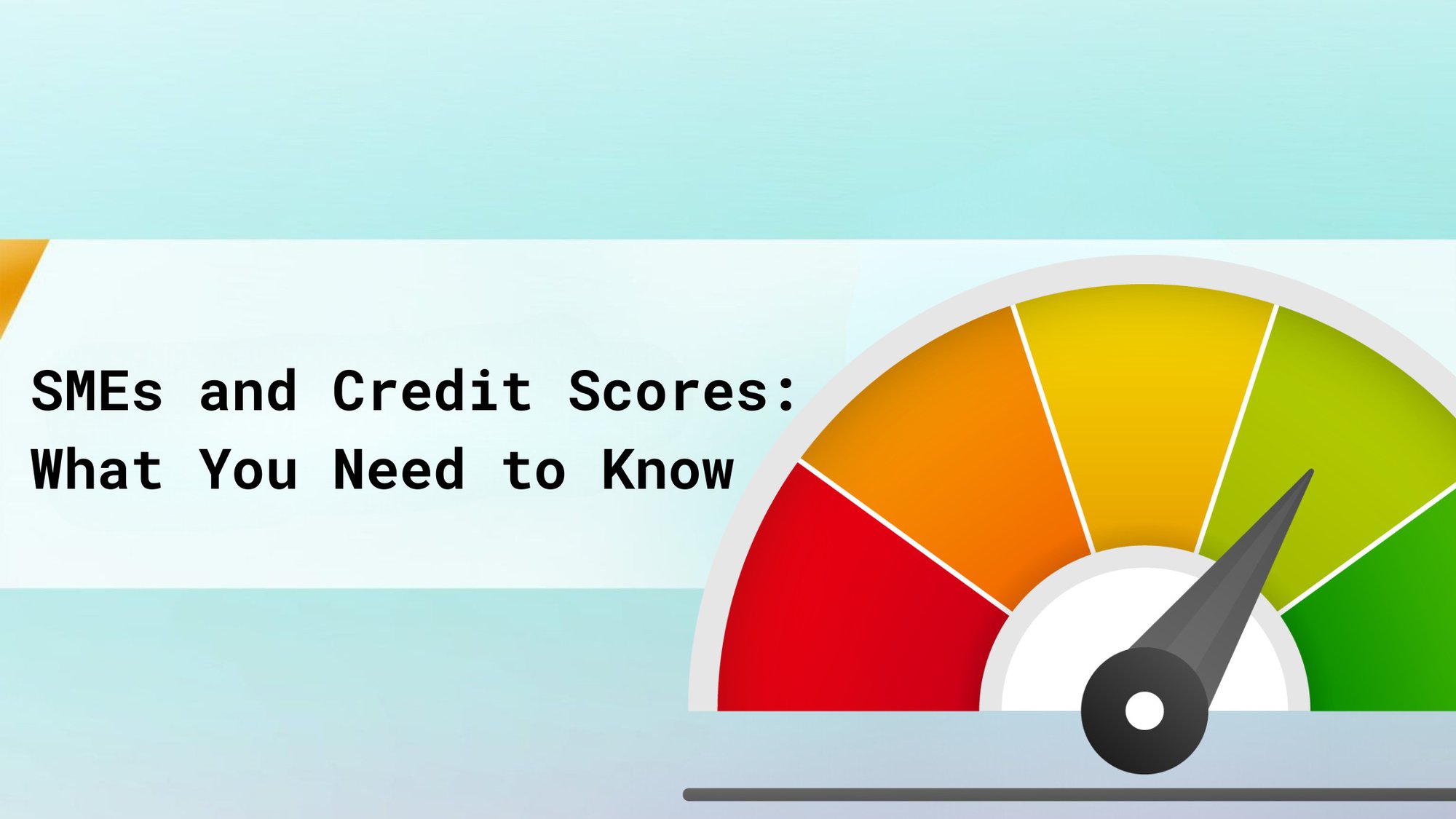
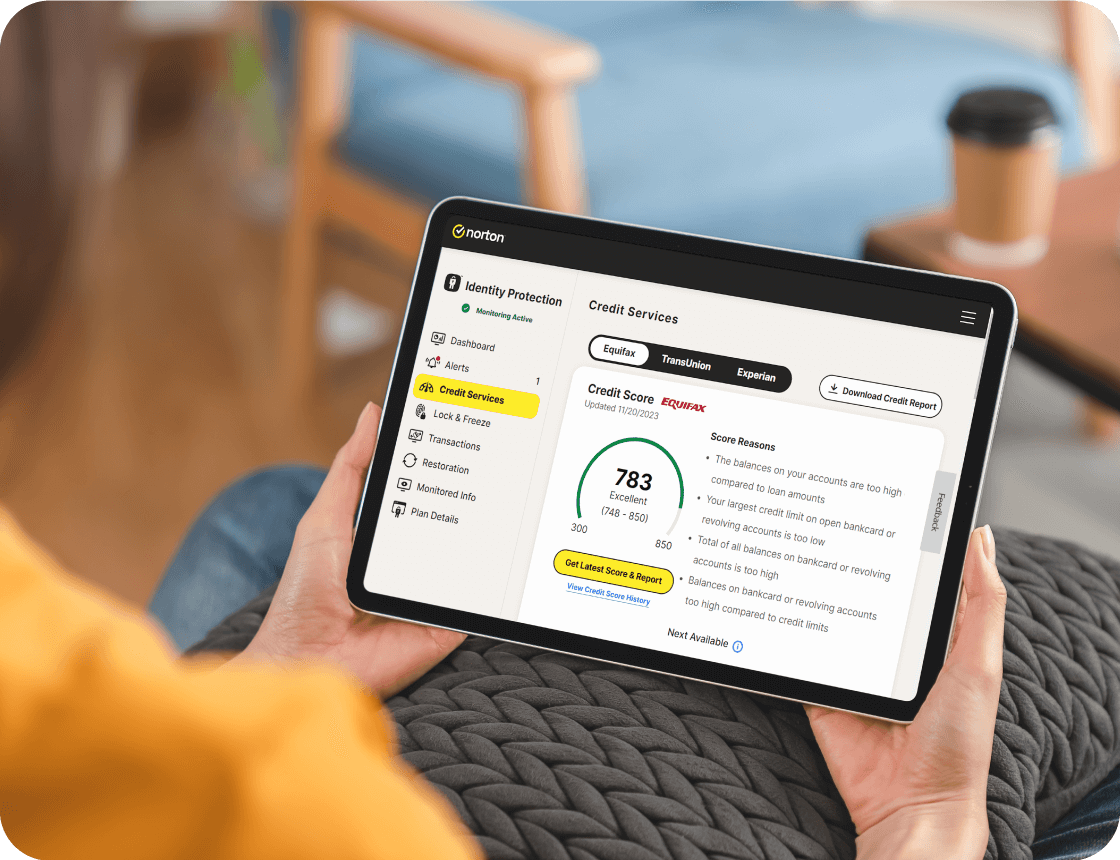
Keeping a finger on the pulse of your business credit score requires more than waiting for annual reports. In 2026, lenders expect real-time visibility into how your financial health is shifting. The right software tools provide this clarity, flagging errors or utilization spikes before they impact your loan eligibility.
Choosing a monitoring platform means looking for features that align with current lending criteria. You need updates that reflect both traditional business credit bureaus and emerging alternative data points. Below are three standout options that balance frequency, cost, and AI-driven insights.
| Tool | Update Frequency | Cost | AI Capabilities |
|---|---|---|---|
| Dun & Bradstreet PAYDEX | Monthly | Subscription-based | Basic alerts |
| Experian Business | Real-time | Premium tiers | Predictive modeling |
| Equifax Business | Weekly | Mid-range | Risk scoring |
Dun & Bradstreet PAYDEX
This platform remains a staple for many SMEs due to its direct connection with the D&B credit file. It focuses heavily on payment history, which is a primary factor in how lenders view your reliability. The monthly updates are sufficient for most small businesses that do not need minute-by-minute tracking.
Experian Business
Experian offers real-time monitoring, which is crucial if you are applying for credit frequently. Their premium tiers include AI-driven predictive modeling that can forecast how certain financial moves might affect your score. This proactive approach helps you stay ahead of lender requirements.
Equifax Business
Equifax provides weekly updates, striking a balance between real-time data and cost. Their risk scoring tools are robust, helping you understand not just your current score, but where you stand relative to industry peers. This comparative data is useful for negotiating better loan terms.


As an Amazon Associate, we may earn from qualifying purchases.
How to prepare your SME for 2026 loans
The lending landscape is shifting. According to the 2026 Report on Employer Firms from the Fed, while revenue growth remains stable, access to capital is becoming more selective. In 2025, 42% of businesses seeking financing received the full amount they requested, while 22% received nothing. To avoid being in the latter group, you must treat your credit profile as a living asset.
Start by auditing your current standing. Many SMEs operate with outdated credit reports that contain errors or missing trade lines. Use a dedicated monitoring tool to pull your full business credit profile from Dun & Bradstreet, Experian Business, and Equifax. Look for discrepancies in your D-U-N-S number, outdated addresses, or unpaid bills that haven't been updated to current status.
Next, strengthen your trade lines. Lenders in 2026 are looking for consistent payment history across multiple vendors. If you currently pay only one or two suppliers on credit, expand your vendor base to include at least three to five trade references. Ensure these vendors report your payment history to the major bureaus. Consistent, on-time payments over a 12-month period are the single most effective way to boost your score.
Finally, stabilize your financial ratios. Lenders will scrutinize your debt-to-income ratio and cash flow stability. Pay down high-interest revolving debt before applying. If you have outstanding loans, consider consolidating them into a single, manageable payment to lower your monthly debt burden. This demonstrates to lenders that you have control over your cash flow and are a lower risk.

Pull your full business credit reports from Dun & Bradstreet, Experian Business, and Equifax. Check for errors in your D-U-N-S number, outdated addresses, or missing trade lines. Dispute any inaccuracies immediately.
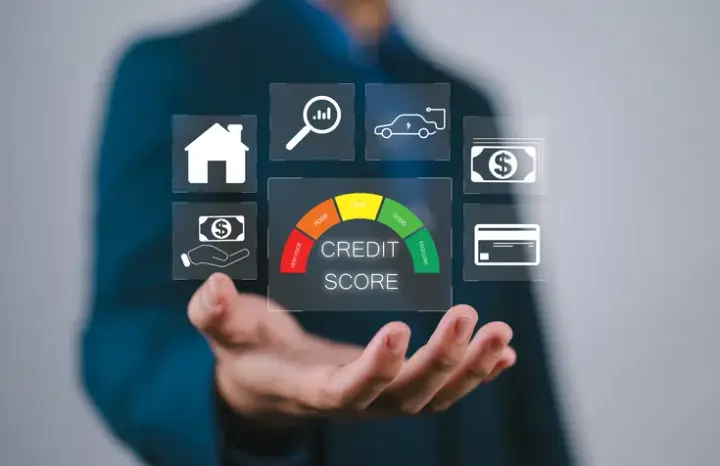
Expand your vendor base to include at least three to five trade references that report to major bureaus. Ensure all vendors report your payment history accurately to build a consistent track record.
Pay down high-interest revolving debt before applying. Consolidate outstanding loans to lower your monthly debt burden, demonstrating to lenders that you have control over your cash flow.


As an Amazon Associate, we may earn from qualifying purchases.
Frequently asked questions about SME credit
How does AI affect SME loan approvals in 2026?
Artificial intelligence has shifted SME lending from a rigid score-based model to a cash-flow-centric one. Lenders now use machine learning to analyze real-time bank data, inventory turnover, and invoice history rather than relying solely on a static credit number. This means a business with a mediocre personal score can still secure financing if its operational metrics show consistent revenue growth and low risk. AI tools evaluate the entire financial ecosystem, allowing for faster underwriting decisions and more nuanced risk pricing.
What credit score is needed for a conventional SME loan?
For traditional term loans and lines of credit, most lenders look for a minimum personal credit score between 600 and 680. However, this threshold varies significantly by institution and loan type. Alternative lenders and fintech platforms often accept lower scores if the business can demonstrate strong monthly revenue. It is important to check specific lender requirements, as some may require scores above 700 for the most favorable interest rates, while others focus more on debt-service coverage ratios.
Can I get an SME loan with bad credit in 2026?
Yes, it is possible to secure financing with poor credit, but the cost of capital will be higher. Bad credit often results in higher interest rates, stricter repayment terms, or the requirement for personal guarantees and collateral. Some lenders specialize in subprime SME lending, offering products like merchant cash advances or short-term bridge loans. While these options provide immediate access to capital, they typically carry annual percentage rates (APRs) that are substantially higher than conventional bank loans, so they should be used strategically for short-term needs rather than long-term growth.
How can I improve my SME credit score quickly?
The fastest way to improve your SME credit profile is to lower your credit utilization ratio below 30% across all available lines of credit. Paying down existing balances reduces the perceived risk to lenders immediately. Additionally, ensure that all business expenses are charged to business credit cards and paid in full each month to build a positive payment history. If you have any late payments on your record, bringing them current and maintaining perfect payments for the next six to twelve months can begin to offset the negative impact in many scoring models.
No comments yet. Be the first to share your thoughts!