

Small and medium-sized enterprises (SMEs) often grapple with cash flow bottlenecks that stifle growth. Traditional banks demand extensive paperwork, collateral, and weeks of processing for lines of credit, leaving businesses vulnerable during peak demand. Enter RWA-backed stablecoin lines of credit, a blockchain innovation where tokenized real-world assets like invoices and trade receivables secure stablecoin loans. At Smestablescredit. com, we pioneer these solutions, blending the stability of RWAs with the speed of stablecoins to deliver SME stablecoin financing that matches business rhythms.
This fusion addresses a core inefficiency: SMEs hold trillions in untapped receivables globally, yet liquidity lags. By tokenizing these assets on-chain, platforms unlock instant access to capital pools far beyond local banks. Recent data underscores the momentum; the sector promises to disrupt a $2 trillion SME lending market through stablecoins and RWAs.
Bridging the SME Credit Chasm with Tokenized RWAs
SMEs represent 90% of global businesses but capture less than half the credit they need. Conventional financing cycles stretch 90 days, with costs eating 5-10% of loan values in fees. Tokenized RWA SME loans flip this script. Protocols collateralize physical assets digitally, enabling DeFi composability while honoring regulatory guardrails.
Consider invoice financing, a staple for working capital. Tokenizing an invoice turns it into a tradeable asset, backed by verifiable on-chain data. Lenders extend stablecoin working capital against it, settling in hours. This isn't hype; it's mechanics honed by years of iteration, balancing yield allure for investors with prudent risk controls.
Stablecoin invoicing multiplies working capital efficiency by orders of magnitude, per Bitwave insights.
Centrifuge's Blueprint: $5.8 Billion Tokenized and Counting
Centrifuge stands as the vanguard, having tokenized over $5.8 billion in real-world credit assets by November 2025. Its on-chain TVL holds steady at $980 million across 320 active pools, empowering 1,200 SMEs worldwide. The CFG token mirrors this traction with a $420 million market cap.
The platform's two-layer design, Centrifuge Chain for compliance and Tinlake for DeFi, slashes SME financing from 90 days to 3, at one-fifth traditional costs. V3's RWA Market and Credit Vaults amplify this, drawing institutional inflows. I view Centrifuge not as a flash, but a sustainable hybrid: blockchain velocity meets financial rigor, ideal for blockchain invoice financing for SMEs.
Parallel moves reinforce the trend. First Abu Dhabi Bank's December 2024 tie-up with Libre Capital tokenizes assets from giants like BlackRock for stablecoin collateral. cSigma Finance's 2023 RWC protocol on Ethereum merges machine learning with private debt tokenization, opening bank-grade yields to stablecoin holders.
Real Yields from a $1.6 Trillion Private Credit Reservoir
Tokenized private credit taps a $1.6 trillion traditional market, per RWA. xyz. Goldfinch decentralizes credit assessment, prioritizing emerging markets. Protocols like these yield real returns, think 8-12% APY, while SMEs gain frictionless capital.
From my 12 years in portfolio management, this model's strength lies in hybrid analysis: macro trends like rising DeFi TVL signal adoption, while technicals like CFG's resilience affirm viability. Smestablescredit. com embodies this, offering tailored LOCs that prune legacy drags.

Invoice tokenization streamlines further, per RWA. io. Businesses upload receivables; smart contracts verify and fractionalize, attracting global liquidity. Supply chain finance evolves too, with ISLE Finance highlighting RWA DeFi's liquidity overhaul.
Yet, the real edge emerges in supply chain dynamics, where delays compound into existential threats for SMEs. RWA DeFi protocols, as ISLE Finance notes, inject liquidity precisely when needed, tokenizing trade assets to fund just-in-time operations. This isn't mere digitization; it's a rearchitecture of trust and flow.
SME Stablecoin Financing: Tangible Gains in Action
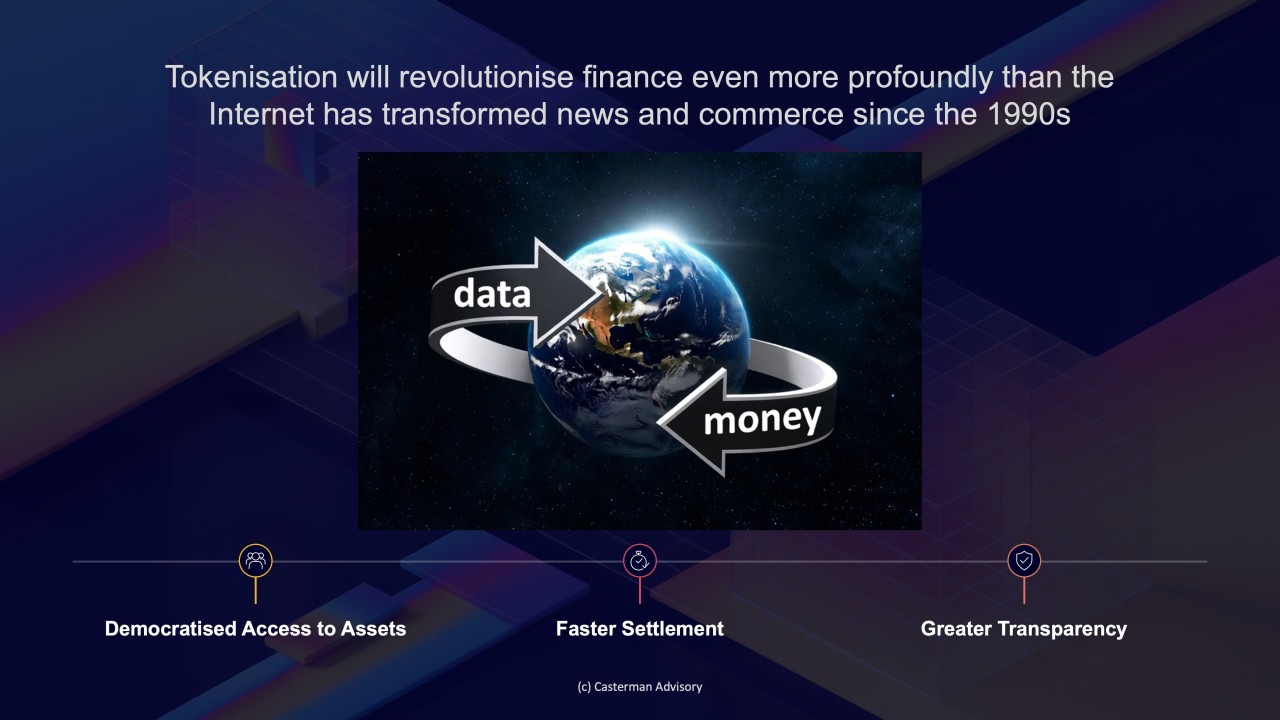
Let's parse the advantages with a portfolio manager's lens. First, enhanced access to capital. Tokenization democratizes funding pools, pulling in DeFi liquidity from global holders uninterested in regional banks. An SME in Southeast Asia can collateralize invoices against USDC from a European investor, bypassing FX hurdles and geographic biases.
Second, costs plummet. Centrifuge's track record proves it: financing at one-fifth bank rates, cycles compressed to three days. For a $100,000 invoice, that's thousands saved in fees and interest, recycled into inventory or hires. Third, transparency rules. Blockchain immutability logs every transfer, slashing disputes and audit times.
From Goldfinch's decentralized credit ramps to Tinlake-inspired pools, these tools prioritize underserved SMEs. Goldfinch, for instance, extends beyond collateral to trust-based scoring, unlocking capital for businesses in emerging markets where bank data is sparse. I see this as prudent evolution: not abandoning underwriting, but augmenting it with on-chain signals and alternative data.
RWA collateralization adds layers, per ChainScore Labs. Tokenized real estate, commodities, or even machinery underpin stablecoin LOCs, diversifying beyond receivables. HashKey Capital spots disruption in private credit's $1.6 trillion expanse, where blockchain tackles opacity and illiquidity head-on.
Regulatory Guardrails: Essential for Scale
No innovation thrives without boundaries. In the US, tokenized assets mirror their underlying nature; securities trigger SEC oversight. Platforms like those partnering with Securitize embed compliance from inception, registering as transfer agents. Globally, variances persist: EU's MiCA framework eyes stablecoins favorably, while Abu Dhabi's moves signal Middle East embrace.
Prudence demands vigilance. AML/KYC integrations, oracle verifications for off-chain assets, and phased rollouts mitigate smart contract risks. Yet, overregulation could stifle; my balanced take favors sandboxed pilots, proving resilience before full liberalization. Smestablescredit. com navigates this adeptly, prioritizing compliant RWA pools that shield SMEs from volatility.
Protocols like cSigma's RWC exemplify machine learning's role in credit vetting, tokenizing private debt for stablecoin yields. Ebury's FX-linked SME lending hints at hybrids blending TradFi data with blockchain execution. Together, they form an ecosystem where tokenized RWA SME loans aren't outliers, but standards.
Zoom to Smestablescredit. com's edge: tailored LOCs for invoice financing, backed by vetted RWAs. Upload receivables, get instant quotes in USDC or equivalents, repay flexibly. No branches, no bias, just verifiable value. This empowers stablecoin working capital for SMEs, aligning investor yields with borrower trajectories.
Challenges linger, sure. Oracle dependencies, basis risk between RWA values and tokens, adoption inertia. But macro tailwinds - soaring DeFi TVL, stablecoin reserves topping $150 billion - overwhelm them. Centrifuge's $980 million TVL across 320 pools, serving 1,200 entities, isn't anomaly; it's harbinger.
Stakeholders win: SMEs scale sans suffocation, investors harvest real yields sans silos, protocols compound via composability. As FRM-certified observer, I wager this hybrid frontier matures swiftly, propelled by V3 vaults and institutional nods. Smestablescredit. com positions SMEs at its heart, turning tokenized assets into tangible thrust.
No comments yet. Be the first to share your thoughts!