

In volatile markets, small and medium-sized enterprises (SMEs) often face cash flow crunches from unpaid invoices, amplifying risks from economic swings and crypto fluctuations. RWA-backed stablecoin lines of credit offer a lifeline, tokenizing real-world assets like invoices to unlock stablecoin working capital for SMEs swiftly and securely. At Smestablescredit. com, we prioritize conservative risk frameworks to bridge this gap without exposing businesses to undue volatility.
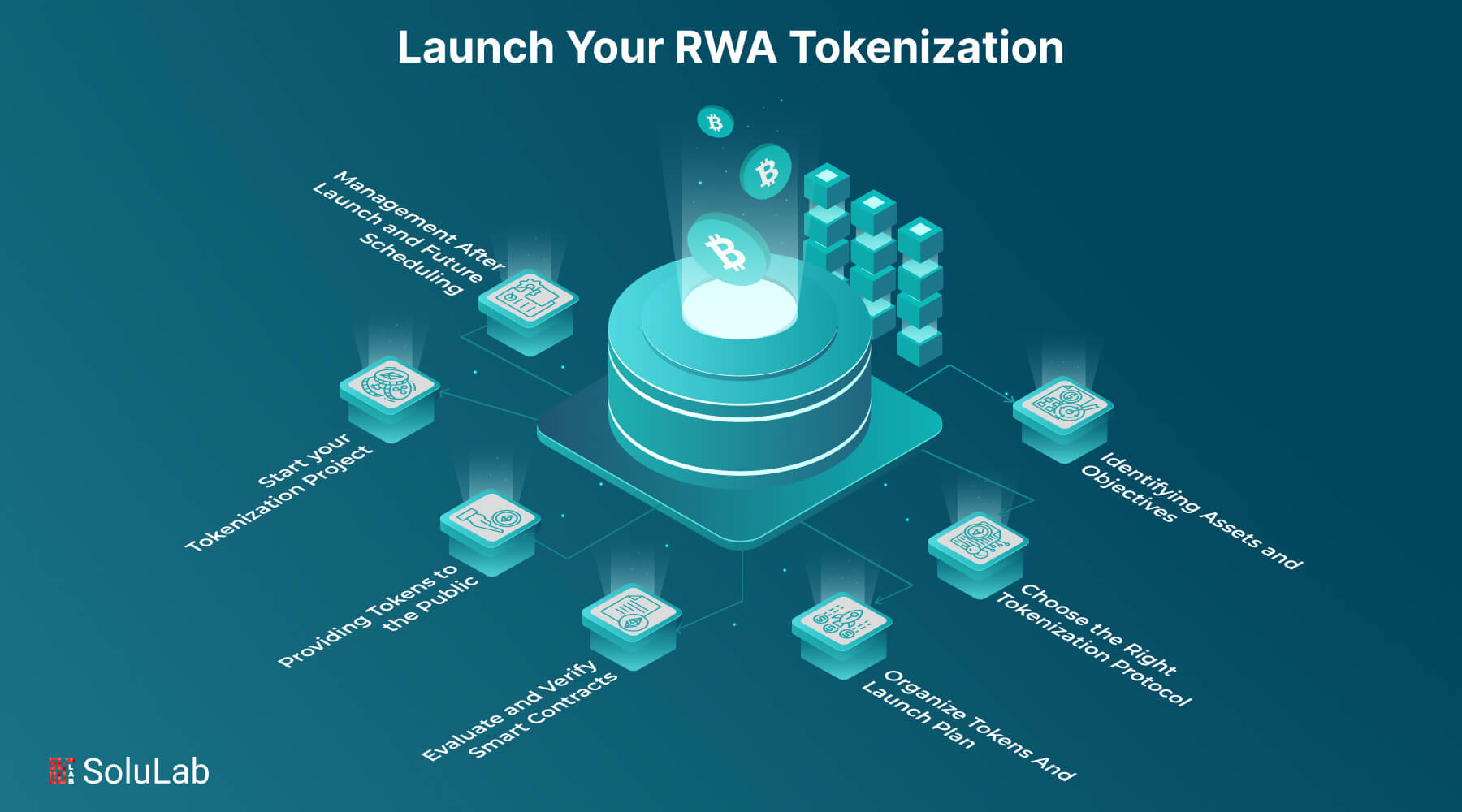
Over 350 million SMEs worldwide grapple with financing shortages, particularly for invoice discounting. Traditional banks impose lengthy approvals and high fees, leaving businesses vulnerable during market turbulence. Enter RWA stablecoin invoice financing: by collateralizing invoices with real-world assets on blockchain, SMEs access lines of credit in stablecoins like USDC or USDT, pegged to tangible value and insulated from crypto price swings.
Navigating SME Financing Challenges in Turbulent Times
Volatile markets exacerbate SME woes. Supply chain disruptions and delayed payments strain working capital, while rising interest rates from central banks squeeze margins. Blockchain innovations, however, enable SME lines of credit stablecoin models that tokenize invoices as RWAs. This approach verifies receivables on-chain, attracting liquidity from DeFi pools without relinquishing control prematurely.
Stablecoins form the liquidity foundation for the on-chain RWA ecosystem, promising innovation amid volatility.
Consider the Gulf region's SME landscape. Here, cultural and regulatory hurdles compound access issues. Yet pilots like those from InvoiceMate on XDC Network demonstrate viability: tokenizing invoices yields instant liquidity, with repayment rates holding strong even in downturns.
Pioneering Initiatives Reshaping Invoice Financing
Recent collaborations spotlight the potential. SILQFi and Helix's August 2025 Shariah-compliant pilot channeled stablecoin capital into GCC SMEs via tokenized, invoice-backed structures. Strong repayments validated the model, proving RWAs can finance real economies compliantly and efficiently.
Similarly, InvoiceMate's XDC pilot tokenized invoices for DeFi liquidity, empowering SMEs with verified, confidence-building financing. Hedera and cSigma's integration further expands this: stablecoin holders earn from invoice loans, with automated KYB/KYC streamlining operations. These cases underscore a cautious optimism; while promising, they demand rigorous due diligence to mitigate smart contract risks and asset verification gaps.
Shareef Finance on Mantle adds AI-verified, Shariah-compliant layers, using RWA lockboxes to tap the $2.5 trillion trade finance void. TDeFi's onboarding of InvoiceMate tokenizes invoices as RWAs, granting SMEs advantages over legacy systems. Tinlake-inspired protocols, like those from Blockchain App Factory, bridge investor capital to these gaps securely.
Conservative Risk Strategies for Stablecoin LOCs
As a 14-year FRM veteran, I advocate measured deployment. RWA-backed stablecoin LOCs must incorporate over-collateralization - say, 150% invoice value - to buffer defaults. On-chain oracles validate invoice authenticity, while multi-sig wallets enforce controlled disbursements.
In volatile markets, peg stability is paramount. USDC's RWA reserves exemplify resilience, yet diversification across stablecoins hedges issuer risks. Smestablescredit. com employs tiered credit assessments: KYB on SMEs, real-time monitoring of receivables aging, and circuit breakers halting draws if volatility spikes exceed 5%.
This framework maximizes growth while ringfencing downside. Early adopters report 30-50% faster funding than banks, at 2-4% lower costs, sans geographic barriers. Still, interoperability challenges persist; cross-chain bridges invite exploits, necessitating audited protocols only.
Regulatory alignment remains another hurdle. Jurisdictions vary widely on RWA tokenization; GCC nations lead with Shariah-compliant frameworks, yet global harmonization lags. At Smestablescredit. com, we navigate this by partnering with compliant protocols, ensuring SME lines of credit stablecoin adhere to local mandates while leveraging blockchain's borderless efficiency.
Practical Benefits for SMEs in Volatile Conditions
SMEs adopting RWA stablecoin invoice financing report tangible gains. InvoiceMate users, for instance, unlocked working capital in hours versus weeks, stabilizing cash flows amid market dips. This stablecoin working capital SMEs model sidesteps bank bureaucracy, offering drawdowns tied to verified receivables without equity dilution.
From a risk lens, the appeal intensifies. Over-collateralized positions shield lenders, while borrowers retain invoice ownership until repayment. In the SILQFi-Helix pilot, repayment rates exceeded 95%, underscoring invoice quality as prime collateral. Hedera-cSigma's setup adds yield for stablecoin holders - think 8-12% APY on loans - drawing conservative capital into SME support.
Yet enthusiasm warrants caution. Not all invoices suit tokenization; aging beyond 90 days signals distress. Selective underwriting, powered by AI as in Shareef Finance, filters viable assets, but false positives lurk. Diversify pools across regions and sectors to weather localized shocks.
Traditional Bank Financing vs. RWA Stablecoin LOCs for SME Invoice Financing
| Aspect | Traditional Bank Financing | RWA Stablecoin LOCs |
|---|---|---|
| Approval Time | Weeks to months | Hours to days (e.g., InvoiceMate instant working capital) ⏱️ |
| Cost | High interest rates (8-15%) + processing fees | Lower rates (4-8%) via DeFi efficiencies and tokenization 💰 |
| Collateral Needs | High: personal guarantees, hard assets | Invoice-backed RWAs (e.g., tokenized via SILQFi/Helix, InvoiceMate) 📄 |
| Volatility Exposure | High: exposed to market and interest rate swings | Low: stablecoin-backed with RWA collateral 🛡️ |
| Accessibility | Limited: strict credit checks, geography-bound | High: global access for SMEs (e.g., GCC via Shariah-compliant pilots) 🌍 |
Scalability hinges on oracle reliability and chain throughput. XDC Network's pilot proved low fees and speed, ideal for high-volume SME invoices. TDeFi's InvoiceMate integration bridges TradFi verification with DeFi liquidity, a hybrid poised for broader adoption if audits hold firm.
Risk Mitigation Checklist for Providers and SMEs
- Verify Assets: Use multi-oracle feeds for invoice authenticity and debtor creditworthiness.
- Collateral Buffer: Enforce 150-200% over-collateralization, adjusting for market volatility.
- Smart Contract Audits: Mandate third-party reviews from firms like PeckShield before deployment.
- Exit Mechanisms: Implement time-locks and liquidation ramps to protect principal.
- Compliance Scans: Continuous KYB/KYC via tools like cSigma to preempt regulatory flags.
These steps, drawn from Tinlake-like architectures, fortify platforms against exploits. Smestablescredit. com embeds them natively, delivering RWA stablecoin invoice financing that prioritizes capital preservation over aggressive yields.
Looking ahead, 2026 could see RWA ecosystems mature, with stablecoins anchoring $1 trillion in tokenized private credit. Zigchain vaults and Mantle protocols hint at AI-enhanced due diligence, potentially slashing default rates below 2%. For SMEs, this translates to resilient growth funding, insulated from crypto winters or rate hikes.
Providers must evolve too. Interoperability via standards like Chainlink CCIP will unify liquidity, but only with conservative governance. Early movers like InvoiceMate set precedents; followers should study their XDC success before scaling.
Ultimately, RWA-backed stablecoin lines of credit redefine SME resilience. They channel crypto abundance into real-economy needs, fostering sustainable expansion. Businesses ready to tokenize invoices thoughtfully will thrive, risks managed and opportunities seized.



No comments yet. Be the first to share your thoughts!