
How to apply for SME Stables Credit in 2026
SME Stables Credit applications rely on verified digital records rather than traditional collateral. Lenders use AI to assess real-world asset data, making preparation the most critical step in the process. Before applying, ensure your business meets the technical and financial prerequisites to avoid delays or rejection.
Verify Your Digital Footprint
Lenders need access to clean, auditable financial data. Start by organizing your digital records, including bank statements, tax filings, and invoices. Ensure these documents are up-to-date and easily accessible in a standard digital format. AI underwriting models require consistent data to evaluate your creditworthiness accurately.
Prepare Financial Documentation
Beyond digital records, you must provide concrete financial evidence. This includes proof of revenue, cash flow statements, and details on any existing liabilities. For cross-border operations, stablecoin credit lines offer liquidity by bypassing legacy banking rails, but you still need to demonstrate stable financial health through these traditional metrics.
Check Technical Readiness
The infrastructure for asset-backed credit is live, but it requires technical compatibility. Ensure your business can integrate with the lender’s platform, whether through API connections or secure document uploads. If you operate internationally, verify that your payment systems can handle stablecoin transactions, as this is often a prerequisite for near-instant liquidity.
Work through the steps
SME Stables Credit uses AI underwriting and real-world asset data to approve lines of credit faster than traditional banks. To access this liquidity, you must prepare specific digital and financial records that the system can verify instantly.

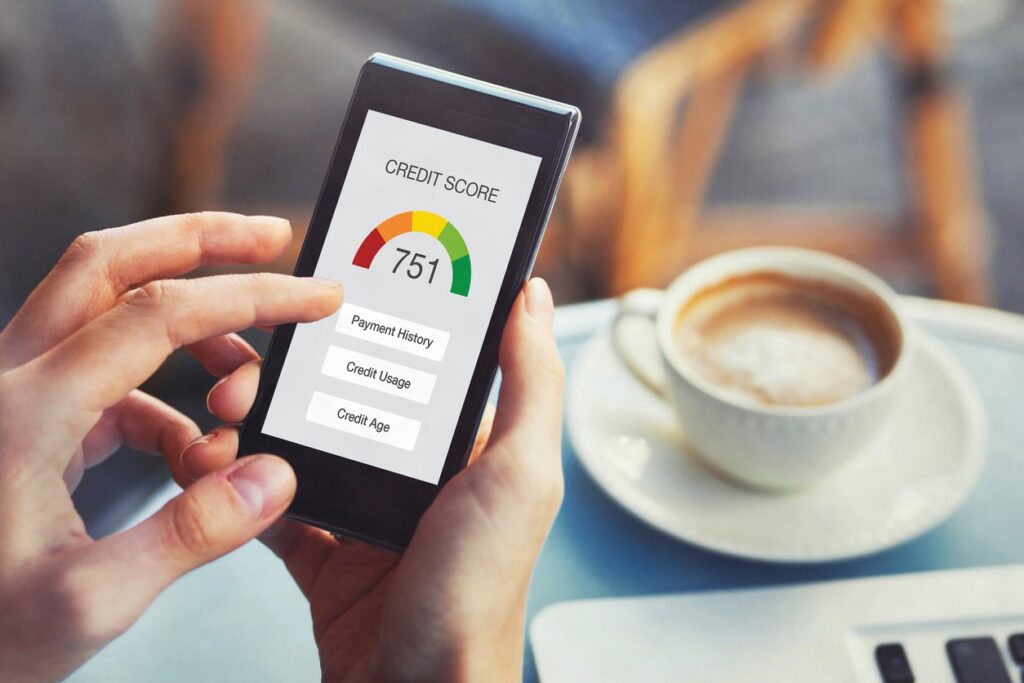
Connect your primary business bank accounts and payment processors to your SME Stables Credit dashboard. The AI engine scans transaction history to assess cash flow stability. Ensure your accounting software is synced so the system can verify revenue patterns without manual entry.
Identify the real-world assets backing your credit line. This could include inventory, receivables, or equipment. Upload clear documentation proving ownership and current market value. The system uses this data to determine your borrowing power and interest rate tier.
Review the terms presented in your dashboard. Once you accept the offer, the smart contract locks the credit line. Funds are available immediately, bypassing legacy banking rails. This speed is particularly useful for cross-border operations where traditional wire transfers cause delays.
Track your usage and repayment schedule in real time. The platform adjusts your available credit based on your ongoing asset performance. Regular repayments improve your standing, potentially unlocking higher limits or better rates in future cycles.
After completing these steps, use this checklist to ensure your credit line remains active and favorable.
Common mistakes that derail SME stablecoin credit applications
Even with AI-driven underwriting, SMEs frequently stumble on technical execution. Stablecoin credit lines offer near-instant liquidity, but only if your digital records align with what the protocol actually reads. Below are the errors that cause rejections or unfavorable terms.
Submitting static bank statements instead of live ledger data
Traditional lenders accept PDFs; AI underwriters need real-time visibility. Uploading static bank statements forces manual review, defeating the speed advantage. Lenders use real-world asset data to verify cash flow instantly. You must connect your accounting software directly to the lending platform. This allows the AI to pull transaction history and inventory levels automatically. Without this integration, your application moves to the bottom of the queue.
Ignoring stablecoin volatility and peg risks
Many small businesses assume all digital currencies are stable. They are not. Applying for a loan in a volatile asset exposes you to sudden value drops. Lenders require collateral or revenue streams in regulated stablecoins like USDC or USDT. Mixing unbacked tokens into your financials creates noise in the AI’s risk model. Ensure your operating accounts hold only pegged assets. This clarity helps the system price your credit line accurately.
Overlooking cross-border regulatory flags
Stablecoin credit lines bypass legacy banking rails, which is great for global trade but tricky for compliance. If your business operates across borders, failing to disclose jurisdictional nuances triggers security holds. Lenders need to know where your revenue originates to assess regulatory risk. Provide clear documentation of your primary operating jurisdictions. This prevents the AI from flagging your account for suspicious activity.
Neglecting digital identity verification
KYC (Know Your Customer) is the gateway to asset-backed credit. Skipping this step or providing inconsistent business registration details causes immediate rejection. The AI cross-references your digital ID with your financial data. Mismatches here suggest fraud risk. Complete your identity verification before starting the application. Use the same legal business name across all platforms to ensure a smooth match.
What to check next
You have practical questions before committing to AI-driven, asset-backed lending. Here are the answers to the most common objections SMEs raise when evaluating stablecoin credit lines and asset-backed financing in 2026.
No comments yet. Be the first to share your thoughts!