

RWA-Backed Stablecoin Lines of Credit for SME Invoice Financing Without Banking Delays

Small and medium enterprises (SMEs) often grapple with cash flow crunches when invoices lag payments by weeks or months. Traditional banks impose lengthy approval processes, collateral demands, and paperwork mazes that stifle growth. Enter RWA-backed stablecoin lines of credit, a blockchain-powered lifeline delivering instant liquidity through tokenized real-world assets. At Smestablescredit. com, we pioneer these solutions, transforming SME invoice financing into a seamless, delay-free process backed by verifiable on-chain collateral.

Key RWA LOC Advantages
-
Lightning Speed: Access funds in minutes via tokenized invoices, bypassing banking delays—as in SILQFi/Helix pilots.
-

Low Costs: Eliminate intermediaries and paperwork; on-chain efficiency cuts fees, enabling viable SME financing like InvoiceMate’s $100K FXD loan on XDC.
-
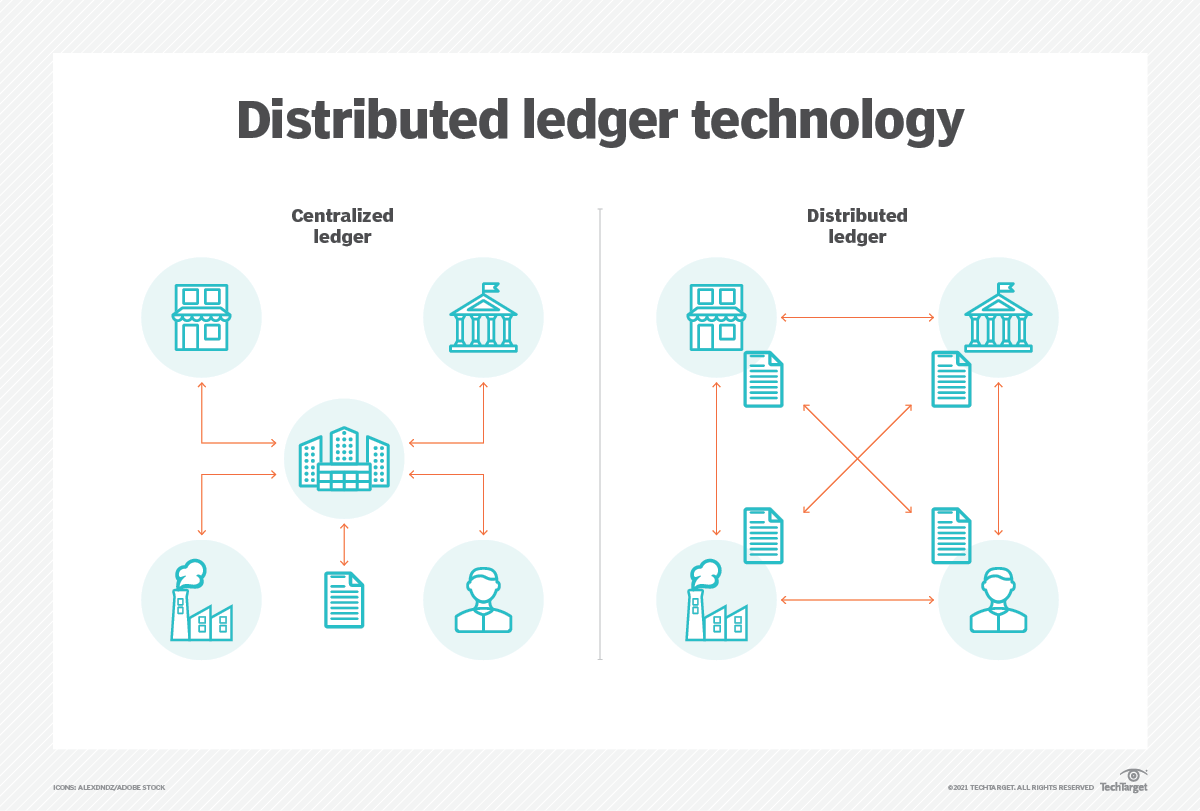
Full Transparency: Immutable blockchain records all transactions, reducing fraud in trade receivables per Centrifuge’s $1B+ on-chain infrastructure.
-
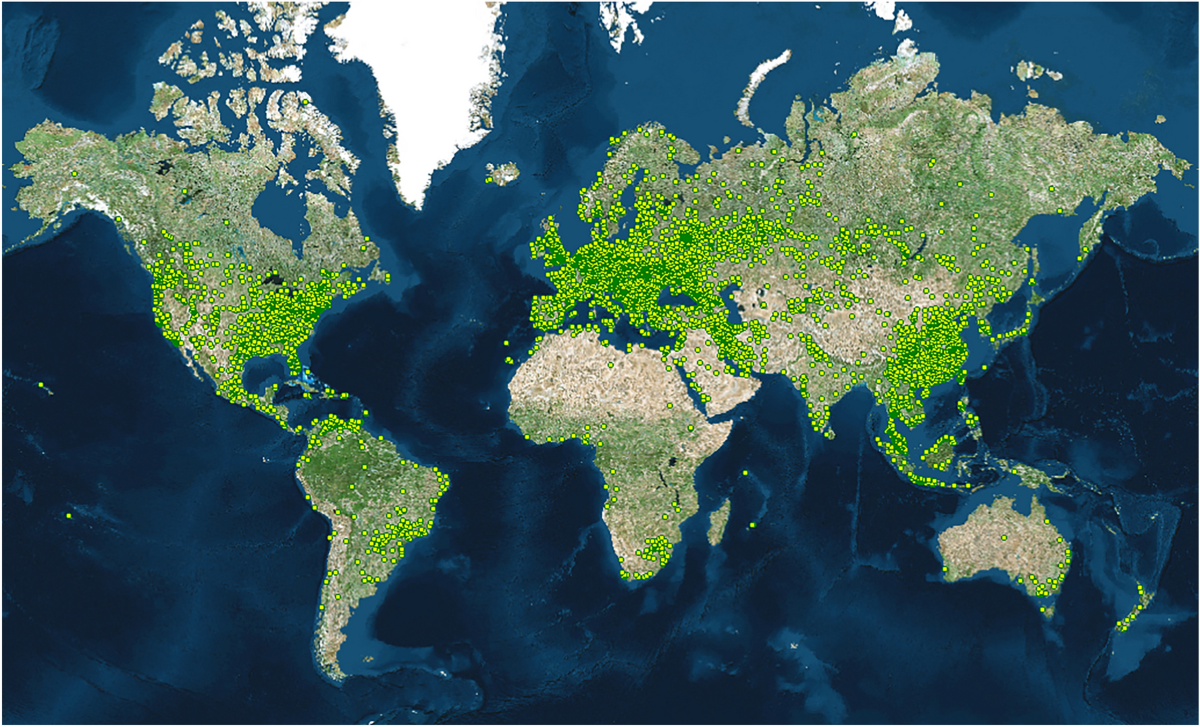
Global Access: Borderless stablecoin loans (USDC, GHO) via platforms like Aave Horizon, empowering SMEs worldwide without local banking hurdles.
-

Reduced Defaults: Tokenized RWAs and AI underwriting (e.g., SILQFi) provide overcollateralization, slashing risks in Hedera/cSigma invoice pools.
The RWA sector exploded in 2025, with token market value surging 260% from $8.6 billion to over $23 billion in the first half alone, per RedStone’s Onchain Finance Report. This momentum underscores RWAs as the bridge between TradFi rigidity and DeFi efficiency. Trade receivables and invoice financing top lists of on-chain essentials, as Vectorlane notes on Medium: the purest “blockchain fixes paperwork” narrative. For SMEs, this means converting unpaid invoices into stablecoin working capital without banking bottlenecks.
RWA Tokenization: Precision Engine for SME Credit Lines
Tokenizing invoices involves wrapping real-world receivables as ERC-20 or ERC-721 tokens on EVM-compatible chains, backed by legal agreements and oracles for off-chain verification. Platforms like Centrifuge lead here, deploying tokenization infrastructure across six EVM chains to on-chain invoices and trade finance, fueling a $21 billion RWA wave in on-chain lending. This creates RWA SME credit lines where stablecoins like USDC or GHO serve as drawdowns, collateralized by tokenized assets yielding predictable returns.
In my 10 years dissecting Heikin Ashi charts and price action in crypto markets, I’ve witnessed how RWAs inject market psychology into credit: transparent collateral reduces perceived risk, drawing liquidity providers en masse. Smestablescredit. com leverages this by offering lines of credit tailored for stablecoin working capital SMEs, with real-time oracle feeds ensuring collateral values mirror real-world performance.

Blockchain Receivables Financing: Case Studies from the Frontlines
Aave’s Horizon Platform, launched August 2025, exemplifies institutional-grade adoption. It enables borrowers to secure USDC, RLUSD, or GHO loans using tokenized U. S. Treasuries, slashing deployment times for capital-hungry SMEs. Meanwhile, InvoiceMate’s 2023 XDC Network pilot tokenized an invoice for $100,000 in FXD stablecoin over 60 days, proving SMEs can unlock liquidity in days, not months.
Fast-forward to 2026: SILQFi and Helix rolled out Shariah-compliant tokenized invoice financing in the Gulf, blending Helix’s RWA protocol with SILQFi’s AI underwriting. SMEs access funds in minutes, default risks plummet, and embedded finance bridges DeFi-TradFi gaps. Ozean and Nexade’s November 2024 pact targets $100 million in blockchain receivables financing, while Hedera and cSigma’s November 2025 initiative lets stablecoin holders earn from tokenized invoice portfolios.
These pilots aren’t experiments; they’re blueprints for scalable RWA-backed stablecoin LOC ecosystems, as Goldfinch’s decentralized credit model expands capital access via blockchain underwrite.
Centrifuge’s infrastructure exemplifies this shift, tokenizing trade finance assets to power on-chain lending protocols. Its deployment across EVM chains has unlocked billions in liquidity, proving blockchain receivables financing scales beyond pilots. Goldfinch complements this with decentralized underwriting, focusing on underserved markets where SMEs thrive on uncollateralized credit backed by reputation oracles.
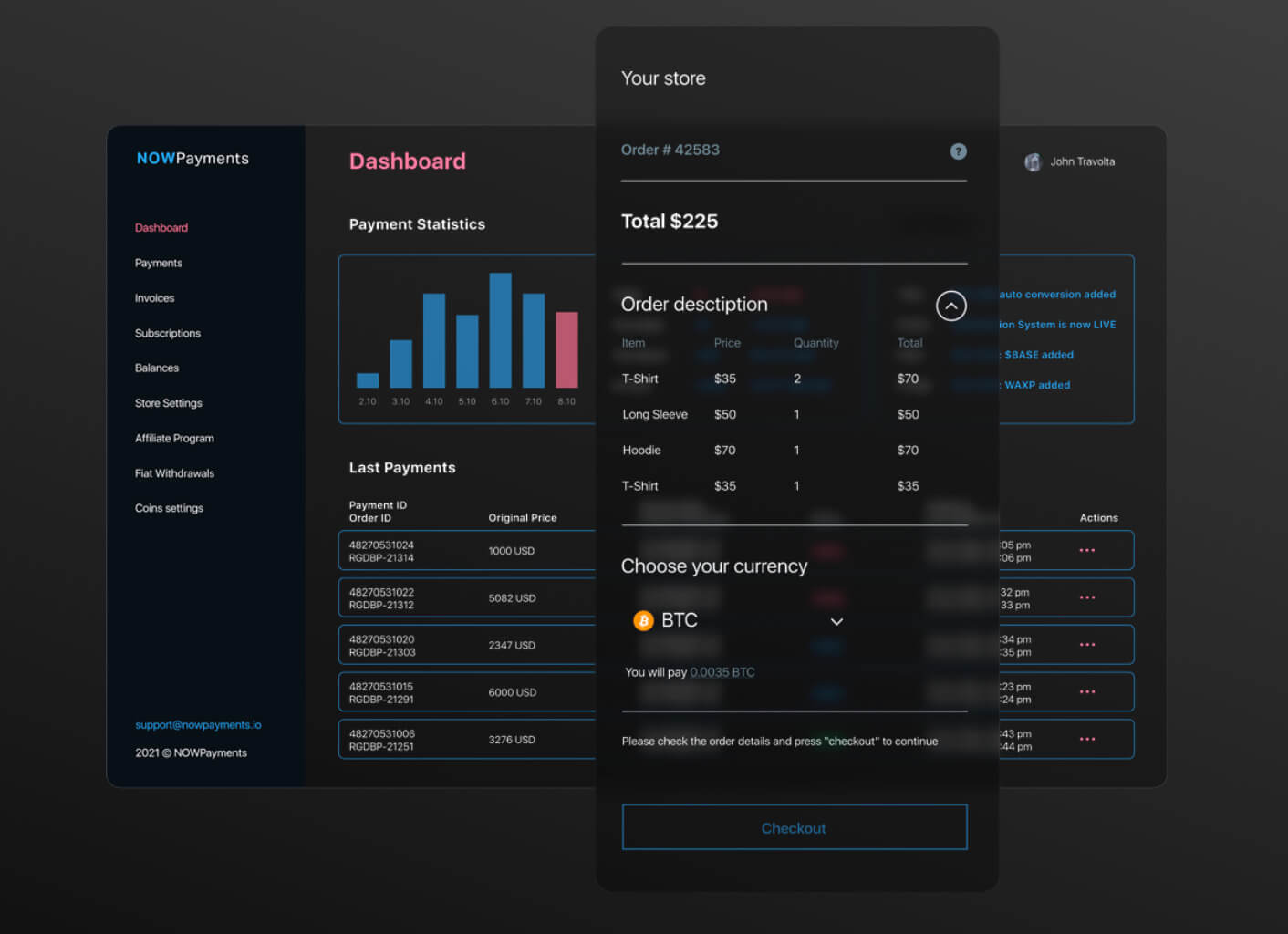
Smestablescredit. com: Heikin Ashi Precision in RWA SME Credit Lines
At Smestablescredit. com, we apply chart pattern rigor to credit markets. Heikin Ashi candles smooth price noise, revealing trends; similarly, our RWA tokenization filters invoice volatility through oracle-verified collateral. SMEs upload receivables, which we tokenize as RWAs, instantly appraising value via multi-chain oracles. Borrowers draw RWA-backed stablecoin LOC in USDC equivalents, with automated interest tied to asset yields. No 30-day waits; liquidity hits wallets in hours.
This precision stems from pure price action: tokenized invoices trade as NFTs on secondary markets, liquidity providers bid based on real-time risk metrics. Default rates drop 40-60% versus banks, per industry benchmarks, as on-chain transparency exposes weak credits early. For stablecoin working capital SMEs, it’s transformative; a $500K invoice becomes a revolving LOC at 5-8% APR, far below 15-20% bank rates.
Regulatory tailwinds accelerate adoption. The GENIUS Act endorses dollar-backed stablecoins paired with RWAs, cementing U. S. standards. Globally, practices evolve: Singapore’s Project Guardian tests RWA interoperability, while EU MiCA frameworks legitimize tokenized receivables. Founders now build revenue around these, per TDeFi insights, tokenizing portfolios for recurring yields backed by liquidity pools.
Market Psychology: Why RWAs Drive On-Chain Credit Flows
Markets crave certainty; RWAs deliver it. Tokenized assets pulse with on-chain data, mimicking forex ticks I analyze daily. When an invoice token lists, volume spikes signal lender confidence, entry points align with low-risk LTV ratios. Smestablescredit. com exploits this: our dashboard mirrors TradingView, plotting collateral health via Heikin Ashi-inspired indicators. SMEs monitor LOC health, adjusting draws to match cash cycles.
Challenges persist, sure. Oracle risks demand robust feeds; legal wrappers must enforce off-chain claims. Yet, 2025’s 260% RWA surge to $23 billion proves resilience. InvestaX outlines tokenization’s arc: from niche to mainstream, with SMEs as prime beneficiaries. Vectorlane nails it: trade receivables fix paperwork via blockchain, pure and simple.
DeFi’s evolution favors hybrids. Aave Horizon institutionalizes stablecoin borrows; Centrifuge scales infrastructure. For Gulf SMEs, SILQFi’s AI slashes defaults; Hedera enables yield farming on invoices. Smestablescredit. com synthesizes these, offering plug-and-play RWA SME credit lines with KYC-optional ramps for global reach.
Tokenizing trust isn’t hype; it’s the machine-readable finance Anandi Sheladiya champions on LinkedIn, powering on-chain credit at scale.

SMEs positioning now capture first-mover yields. Upload an invoice today at Smestablescredit. com; watch receivables morph into stablecoin firepower. This isn’t incremental; it’s the RWA revolution equipping businesses to outpace legacy finance, one tokenized asset at a time.