

Sme credit access in 2026: the limits to account for
Small and medium-sized enterprises (SMEs) still face a significant credit gap in 2026, despite advances in AI-driven underwriting. While algorithmic models have improved the speed of initial assessments, structural barriers remain the primary bottleneck. Traditional lending criteria often require collateral that many growing businesses simply do not possess, leaving a substantial portion of the market underserved by conventional banks.
The OECD’s 2026 Scoreboard confirms that access to debt financing remains uneven across regions. For SMEs seeking larger capital injections, the hurdle is even higher. Securing a $1,000,000 business loan typically requires a track record of at least four years, annual revenues exceeding $180,000, and a personal credit score of 680 or higher. The approval process can still take several months, creating cash flow friction for businesses that need capital immediately.
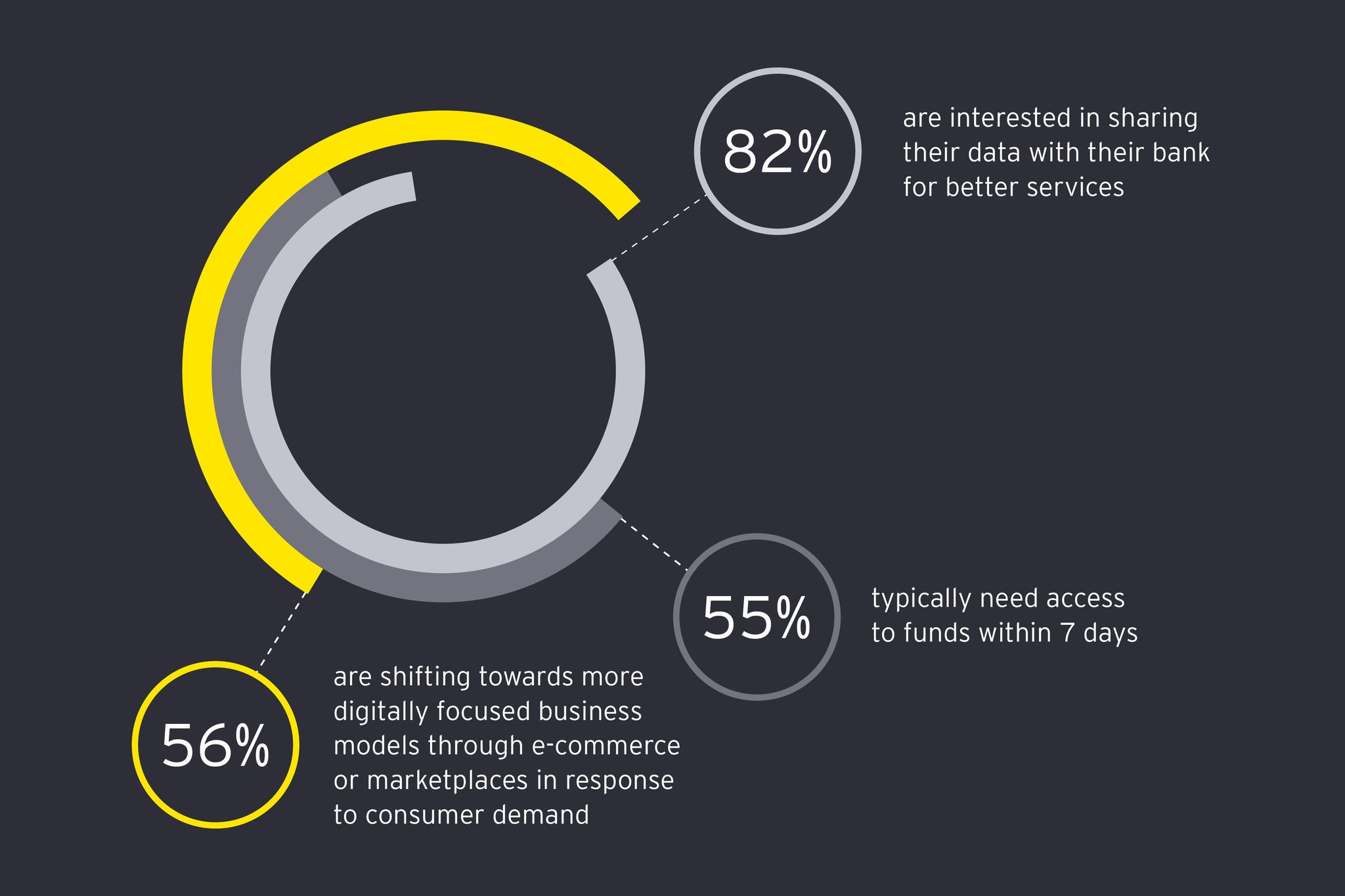
To bridge this gap, the market is shifting toward alternative sources. Private credit is gaining momentum as global capital demand rises, with asset-backed finance becoming a core component of SME funding. This shift offers a viable path for borrowers who cannot meet traditional bank requirements, though it often comes at a higher cost. Understanding these tradeoffs is essential for navigating the current lending landscape.
Sme credit access 2026 choices that change the plan
Choosing a lending partner in 2026 means balancing speed, cost, and flexibility. AI-driven underwriting has compressed approval times, but it has also introduced new variables in pricing and data requirements. You must evaluate which factors matter most for your specific business stage and cash flow patterns.
The following table compares the primary lending channels available to SMEs this year.
| Channel | Speed | Cost | Flexibility | Best For |
|---|---|---|---|---|
| Traditional Banks | Slow | Low | Low | Established firms with strong collateral |
| Online Lenders | Fast | High | Medium | Urgent working capital needs |
| Alternative Lenders | Very Fast | Very High | High | Borrowers with thin credit files |
| Private Credit | Medium | Medium-High | High | Growth-stage scaling and acquisitions |
Speed versus total cost
Fast funding often comes with a steep price. Online lenders may approve a loan in 24 hours, but the annual percentage rate (APR) can exceed 30%. Traditional banks take weeks but offer rates closer to prime. If your cash flow can wait, the traditional route saves significant capital over time.
Collateral versus data requirements
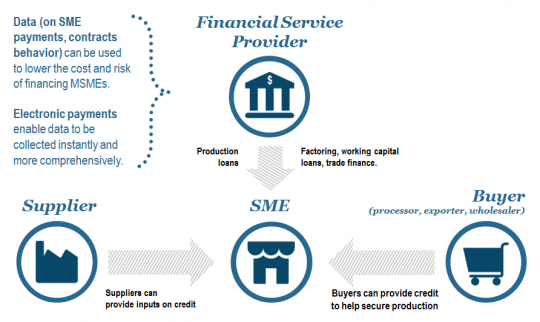
AI underwriting reduces the need for physical collateral by analyzing real-time data streams like payment history and inventory turnover. However, this requires you to grant access to your financial accounts. Traditional banks still demand assets like real estate or equipment. Choose the model that aligns with how much operational transparency you are willing to share.
Flexibility versus long-term commitment
Alternative lenders and private credit funds offer flexible repayment structures, such as daily withdrawals from your business account. This ease of access can strain cash flow during slow periods. Traditional term loans require fixed monthly payments but provide predictable budgeting. Consider your revenue consistency before selecting a repayment schedule.
Decision guide
If you need capital within days and have strong revenue but weak collateral, online lenders are the practical choice. For long-term growth and lower costs, traditional banks remain superior despite the slower process. Private credit is emerging as a viable option for larger deals, particularly for acquisitions or expansion where flexibility is critical.
Choose the next step
SME Credit Access works best as a clear sequence: define the constraint, compare the realistic options, test the tradeoff, and choose the path with the fewest hidden costs. That order keeps the advice usable instead of decorative. After each step, pause long enough to check whether the recommendation still fits the reader's actual situation. If it depends on perfect timing, unusual access, or a best-case budget, include a simpler fallback.

Watch out for misleading claims in AI underwriting
AI-driven underwriting promises speed, but the reality is often a mix of genuine efficiency and marketing fluff. When evaluating lenders, it is critical to separate actual algorithmic advantages from generic digital upgrades. Many platforms claim "instant approval" while relying on the same rigid collateral requirements as traditional banks, just with a faster interface. This creates a false sense of accessibility for SMEs that lack physical assets.
The most common mistake is assuming that a high credit score guarantees approval. Modern AI models incorporate alternative data—such as cash flow patterns, invoice history, and even utility payments—to assess risk. However, this data is not always transparent. Lenders may use proprietary algorithms that penalize businesses with volatile revenue, even if their credit score is strong. SMEs often struggle to access capital because they cannot see how their digital footprint is being weighed against traditional metrics.
To navigate this, focus on the specific data sources the lender uses. If a platform does not disclose whether it considers bank statement trends or just FICO scores, treat the claim with skepticism. The 2026 landscape favors lenders who offer clear trade-off explanations, not just speed. Look for providers that allow you to see which alternative data points improved your offer, ensuring the AI is truly expanding access rather than just automating rejection.
No comments yet. Be the first to share your thoughts!